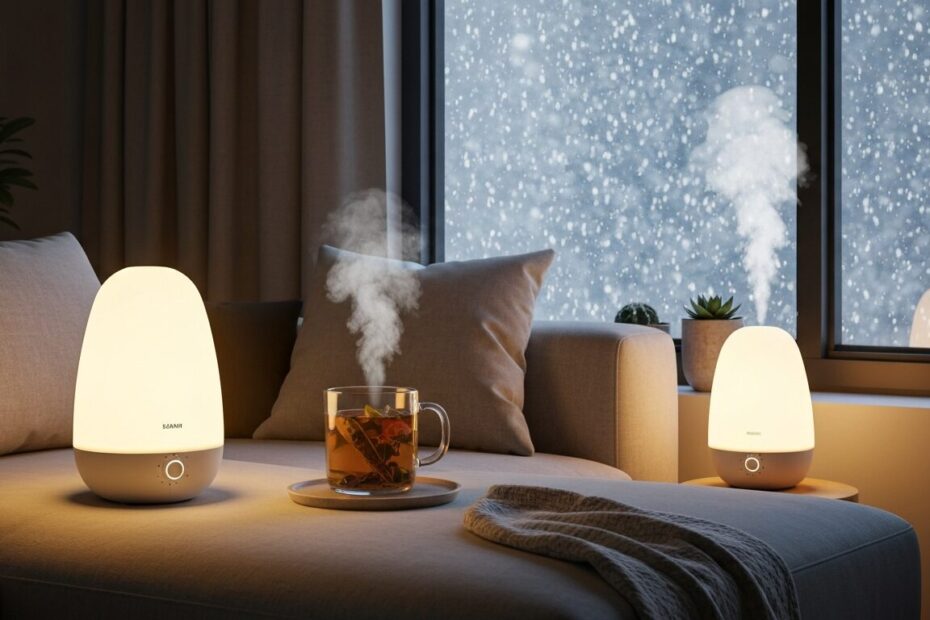
Personally I find winter wellness relies heavily on light therapy to keep energy steady.#WinterWellness #HealthTips
Quick Video Breakdown: This Blog Article
This video clearly explains this blog article.
Even if you don’t have time to read the text, you can quickly grasp the key points through this video. Please check it out!
If you find this video helpful, please follow the YouTube channel “LifeNextDaily,” which delivers daily news.
https://www.youtube.com/@LifeNextDaily
Read this article in your native language (10+ supported) 👉
[Read in your language]
Want To Feel Your Best In 2026? 10 Winter Well-Being Essentials That Can Help
⚠️ DISCLAIMER: This article is for informational purposes only and does not constitute medical advice. Always consult a healthcare professional.
John: 👋 Hello, Health Hackers! As we bundle up for the chill of 2026, it’s easy to let the winter blues sneak in like an uninvited guest at a holiday party. But what if I told you that feeling your best this season isn’t about chasing fads or popping miracle pills? Nope, it’s about arming yourself with practical, science-backed essentials that tackle the unique challenges of shorter days, colder temps, and that pesky urge to hibernate.
Lila: Exactly, John! As your Lifestyle Architect, I’m here to bridge the gap for beginners. Why does this matter now? Well, research from sources like the World Health Organization highlights how seasonal changes can spike stress, weaken immunity, and disrupt sleep—impacting up to 20% of people with seasonal affective disorder (SAD). In 2026, with climate shifts making winters more unpredictable, prioritizing well-being isn’t just nice—it’s essential for thriving, not just surviving. Let’s dive into these 10 winter must-haves, inspired by expert picks, and unpack how they can help you glow from the inside out. We’ll keep it real, witty, and rooted in evidence—no hype, just helpful insights.
The Problem (The “Why”)
John: Picture this: Winter is like a sneaky video game boss level where your body’s energy meter drains faster than your phone battery in the cold. The old way? We bundle up, crank the heat, and hope for the best, but that ignores the real bottlenecks: reduced sunlight slashing vitamin D levels, dry air zapping hydration, and cabin fever messing with your mood. Biologically, shorter days disrupt your circadian rhythm, leading to fatigue, while cold weather constricts blood vessels, making everything from workouts to focus feel like slogging through snow. Psychologically, it’s a recipe for isolation and stress eating—hello, comfort carbs! Economically? Ignoring this can mean more sick days and lower productivity, costing folks an estimated $36 billion annually in the U.S. from seasonal health dips, per health studies. The hard part was always the guesswork—trying random remedies without understanding the “why.”
Lila: Great analogy, John! For beginners, think of your body as a garden in winter: Without proper care, it goes dormant or wilts. The old approach was reactive—wait for symptoms like dry skin or low energy—making it expensive (think doctor visits) and risky (ignoring underlying issues like weakened immunity). Now, let’s flip the script with proactive essentials.
The Science Behind It
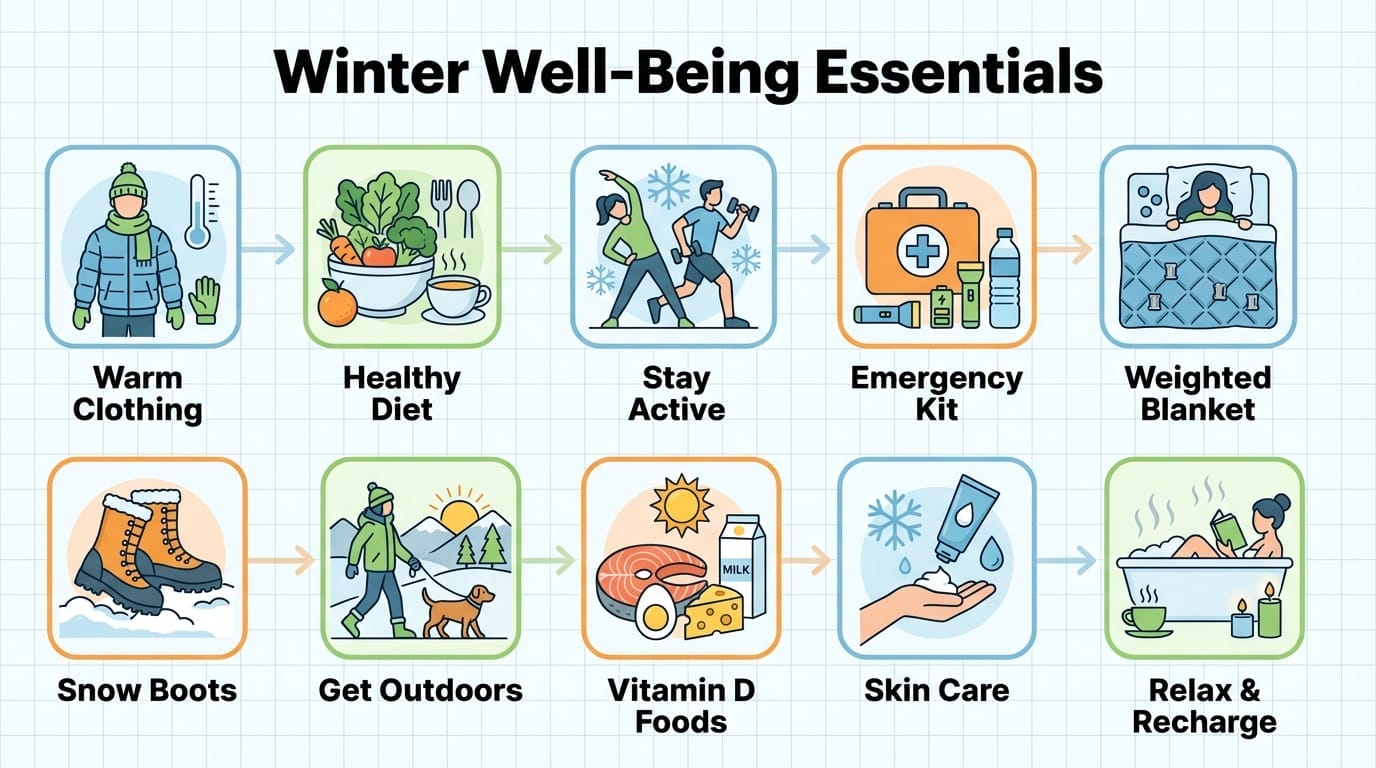
John: Under the hood, these winter essentials work by targeting key body systems: immunity, mood regulation, skin barrier, and energy metabolism. Let’s break it down step-by-step in beginner-friendly terms. First, hydration boosters combat dry indoor air, which can dehydrate you faster—research suggests winter air holds less moisture, leading to a 20-30% drop in skin hydration. Second, vitamin D supplements mimic sunlight exposure, crucial since UVB rays plummet in winter, potentially halving your levels and weakening bones/mood. Third, adaptogens like ashwagandha help modulate stress hormones (cortisol), as studies show they can reduce anxiety by up to 30%. Fourth, omega-3s from sources like fish oil support brain health, countering inflammation from holiday indulgences. Fifth, probiotics bolster gut health, vital when diets shift to heavier foods. Sixth, essential oils for aromatherapy stimulate the limbic system for relaxation. Seventh, cozy lighting setups (like SAD lamps) reset your circadian clock via melatonin suppression. Eighth, warm herbal teas provide antioxidants to fight oxidative stress. Ninth, movement tools like resistance bands keep endorphins flowing without braving the cold. Tenth, journaling or mindfulness aids process seasonal emotions, backed by psychology research on cognitive behavioral benefits.
Lila: Love that breakdown! It’s like tuning up a car for winter roads—each essential oils the engine in its own way.
| Aspect | Old Way (Common Pitfalls) | New Way (With Essentials) |
|---|---|---|
| Hydration Management | Ignoring dry air, leading to chapped skin and fatigue. | Using humidifiers and hydrating serums to maintain moisture balance. |
| Mood and Energy | Relying on caffeine crashes for boosts, worsening SAD symptoms. | Light therapy and adaptogens for steady, natural regulation. |
| Immunity Support | Overlooking nutrition gaps, inviting colds. | Probiotics and vitamins to fortify defenses proactively. |
| Skin and Comfort | Harsh soaps exacerbating dryness. | Gentle oils and teas for internal/external nourishment. |
Practical Use Cases & Application
John: So, how do these essentials shake up your daily life? Let’s get concrete with health-focused scenarios. First, for busy parents: Swap morning coffee for a herbal tea ritual with adaptogens—research suggests this can lower stress, helping you handle kid chaos without burnout. Second, remote workers fighting cabin fever: A SAD lamp during Zoom calls mimics daylight, potentially boosting focus by regulating serotonin, as per sleep studies. Third, fitness enthusiasts: Indoor resistance bands keep muscles active, countering winter weight gain—studies show consistent movement reduces inflammation. Fourth, social butterflies: Probiotics and omega-3s support gut-brain axis, making holiday gatherings less anxiety-inducing.
Lila: Spot on! These change decision-making too— instead of skipping self-care, you’re empowered to build routines that stick, like journaling to track mood shifts.
Educational Action Plan (How to Start)
John: Ready to level up? Here’s a step-by-step guide, keeping it safe and educational.
Lila: Level 1 (Learn): Start by reading reputable sources like Mayo Clinic articles on seasonal affective disorder or NIH guides on vitamin D. Watch free videos from health channels explaining circadian rhythms—aim for 30 minutes a day to build knowledge without overwhelm.
John: Level 2 (Try Safely): Begin small—track your hydration with a simple journal, noting how adding a humidifier affects your skin. Experiment with light exposure by sitting near a window for 15 minutes daily, or try a short mindfulness session. Remember, research suggests gradual changes yield better results; consult pros for personalized tweaks. For supplements, check labels and start low-dose to monitor effects.
Conclusion & Future Outlook
John: Wrapping up, these 10 essentials balance risks (like over-supplementing) with rewards (sustained energy and mood). Effort is moderate—think habit tweaks vs. overhauls—for significant gains in well-being. But uncertainty looms: Climate change could intensify winters, so watch emerging research on personalized nutrition.
Lila: Absolutely—stay curious, folks! Prioritize what feels right for you.

👨💻 Author: SnowJon (Web3 & AI Practitioner / Investor)
A researcher who leverages knowledge gained from the University of Tokyo Blockchain Innovation Program to share practical insights on Web3 and AI technologies.
His motto is to translate complex technologies into forms that anyone can evaluate and use responsibly, fusing academic knowledge with practical experience.
*AI may assist drafting and structuring, but final verification and responsibility remain with the human author.
References
- Want To Feel Your Best In 2026? 10 Winter Well-Being Essentials That Can Help
- Mayo Clinic: Seasonal Affective Disorder (SAD)
- NIH: Vitamin D and Health
- WHO: Mental Health and Seasonal Changes
- Harvard Health: Seasonal Affective Disorder
- CDC: Winter Weather Health Tips