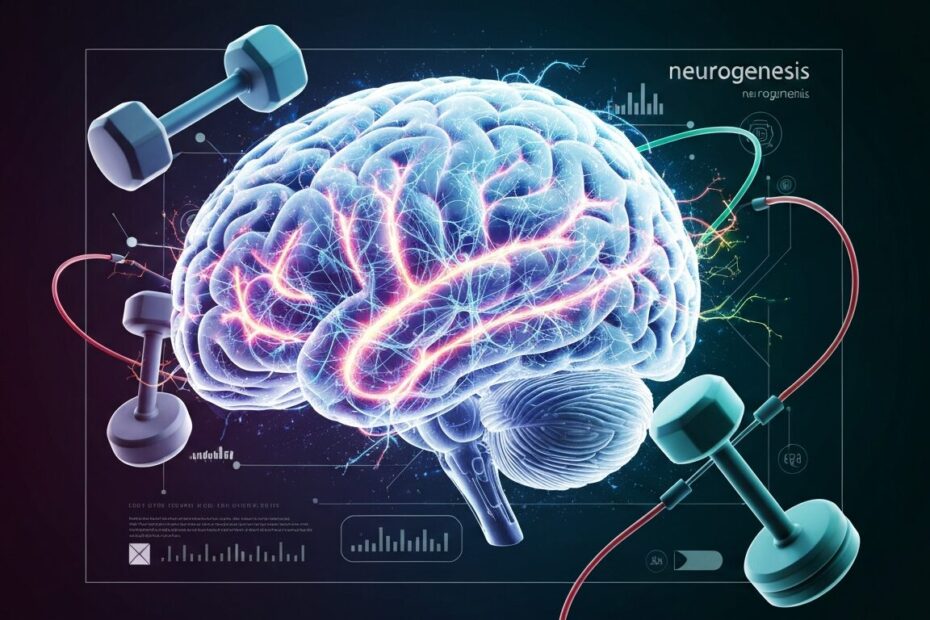
Is your brain feeling foggy? Research reveals how strength training isn’t just for muscles—it can reverse cognitive decline and boost memory!#BrainHealth #StrengthTraining #CognitiveDecline
Quick Video Breakdown: This Blog Article
This video clearly explains this blog article.
Even if you don’t have time to read the text, you can quickly grasp the key points through this video. Please check it out!
If you find this video helpful, please follow the YouTube channel “LifeNextDaily,” which delivers daily news.
https://www.youtube.com/@LifeNextDaily
Read this article in your native language (10+ supported) 👉
[Read in your language]
This Type of Exercise May Help Reverse Cognitive Decline, Research Reveals
⚠️ DISCLAIMER: This article is for informational purposes only and does not constitute medical advice. Always consult a healthcare professional.
👋 Hello, Health Hackers! Ever feel like your brain is a smartphone running on low battery—constantly lagging, forgetting apps (er, memories), and desperately needing a recharge? Well, buckle up, because recent research is flipping the script on aging and cognition. We’re talking about strength training, that gym staple often pigeonholed as just for building biceps, now stepping into the spotlight as a potential hero for your gray matter.
Why does this matter now? In a world where we’re all chasing eternal youth—hello, anti-aging creams and brain-training apps—the stats on cognitive decline are sobering. According to the World Health Organization, over 55 million people worldwide live with dementia, a number projected to triple by 2050. But here’s the kicker: research suggests that regular resistance exercises could improve memory and even reverse some age-related cognitive slips. A study highlighted in mindbodygreen points to how lifting weights boosts brain-derived neurotrophic factor (BDNF), essentially fertilizer for your neurons. This isn’t just hype; it’s backed by science showing measurable improvements in executive function and memory recall. In 2025, with longevity research booming, incorporating strength training isn’t just about looking good—it’s about thinking sharp as you age. Stick around as we dive into why your muscles might be the key to unlocking a smarter, more resilient brain.
The Problem (The “Why”)
John: Let’s cut through the fluff. Cognitive decline isn’t some abstract villain—it’s like your brain’s filing cabinet getting rusty over time. Papers (memories) get misplaced, drawers (neural pathways) stick, and eventually, the whole system slows down. The old way? We relied on puzzles, crosswords, or endless cups of coffee, thinking mental gymnastics alone could keep the rust at bay. But research shows that’s only half the battle. Without physical stimulus, your brain misses out on the biological upgrades that come from moving your body under load.
Lila: Exactly, John. Imagine your brain as a garden. In the “old way,” we’re just watering it with brain teasers, but ignoring the soil quality. Aging naturally depletes nutrients like BDNF, leading to wilting plants (shrinking hippocampus, hello forgetfulness). It’s hard because it’s sneaky—starts with minor lapses, escalates to real risks like falls or isolation. And expensive? Think long-term care costs skyrocketing. Risky too: ignoring it amplifies chances of Alzheimer’s or other dementias. But strength training? It’s like adding compost—enriching the soil for robust growth.
The Science Behind It
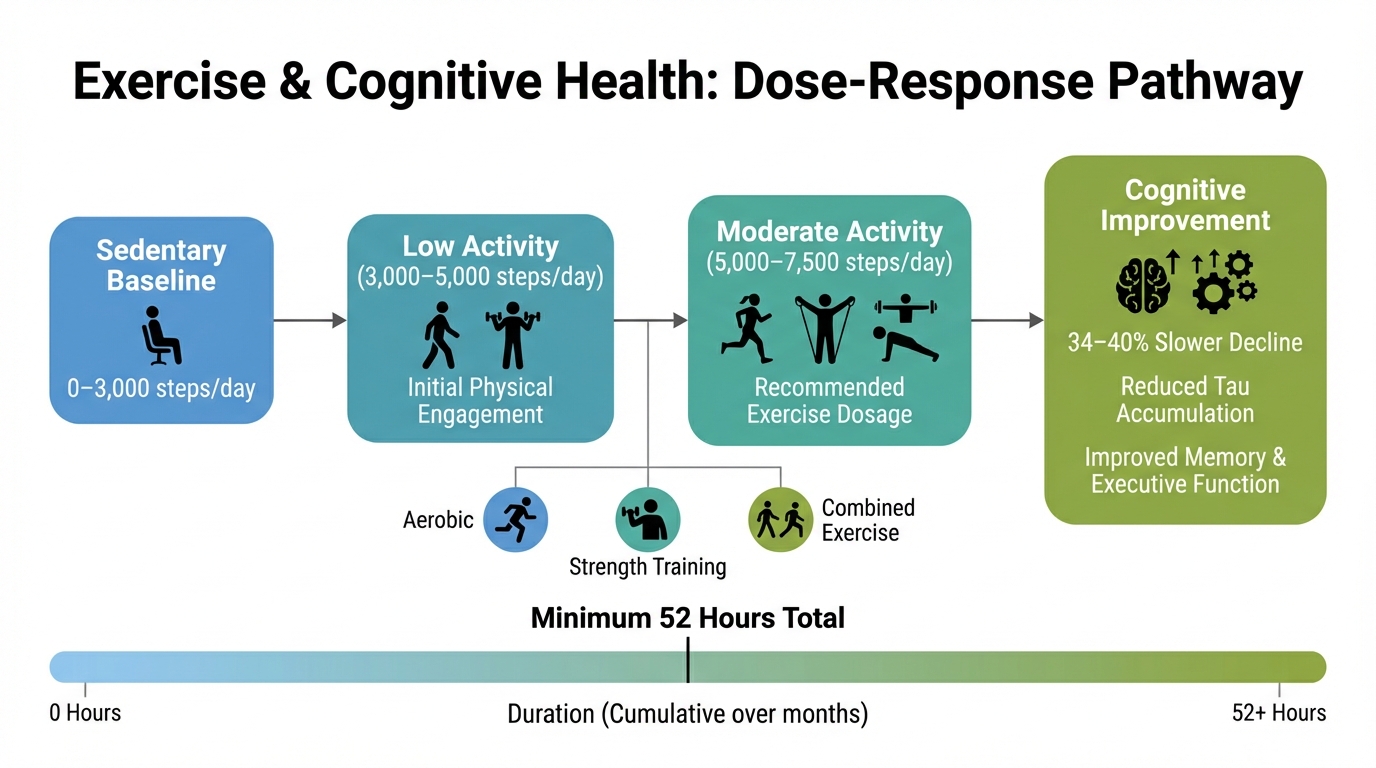
John: Under the hood, strength training isn’t magic—it’s biology in action. When you lift weights, your muscles release myokines, signaling molecules that cross the blood-brain barrier. This ramps up BDNF production, which promotes neuron growth and synaptic plasticity. Think of it as upgrading your brain’s hardware: more connections mean better processing speed. Studies show even moderate resistance training, like twice-weekly sessions, can increase hippocampal volume by up to 2% in older adults, potentially reversing years of decline.
Lila: For beginners, let’s break it down step-by-step. Step 1: You perform resistance exercises (squats, deadlifts). Step 2: Muscles stress and release irisin, a hormone that boosts BDNF. Step 3: BDNF nurtures new brain cells in areas like the hippocampus (memory central). Step 4: Over time, this leads to improved cognitive scores—research suggests enhancements in working memory and executive function. It’s not instant, but consistent effort yields compounding benefits, much like interest in a savings account.
| Aspect | Old Way (Aerobic-Only or Sedentary) | New Way (Strength Training Integrated) |
|---|---|---|
| Brain Impact | Limited to cardiovascular benefits; BDNF levels stay flat, leading to faster cognitive atrophy. | Boosts BDNF and neurogenesis; research suggests up to 15% improvement in memory tasks. |
| Accessibility | Requires endurance (e.g., running), tough for beginners or those with joint issues. | Adaptable with bodyweight or light weights; suitable for all ages with modifications. |
| Long-Term Risks | Higher risk of muscle loss (sarcopenia), exacerbating falls and cognitive decline. | Reduces sarcopenia; balanced risks with proper form to avoid injury. |
| Evidence Base | Solid for heart health but less for cognition without resistance. | Supported by studies like those in the Journal of the American Geriatrics Society. |
Practical Use Cases & Application
John: So, how does this play out in real life? For the busy professional juggling deadlines, strength training could mean sharper focus during meetings—research suggests improved executive function helps with multitasking. Imagine nailing that presentation because your brain’s wiring is optimized.
Lila: For retirees, it’s a game-changer in daily independence. One scenario: Remembering shopping lists without notes, reducing frustration. Another: Enhanced spatial memory for safer driving. For parents, integrating family workouts builds habits early, potentially warding off hereditary risks. And for students? Pairing study sessions with resistance bands could boost retention—think acing exams with less cramming.
John: Let’s not forget the humor in it: Who knew pumping iron could make you less likely to pump forgetfulness? But seriously, in healthcare settings, this shifts paradigms—doctors might prescribe squats alongside statins. Balanced view: It’s empowering, but risks like overtraining exist; always scale to your level.
Lila: Example 1: A 50-year-old office worker starts with home dumbbell routines, noticing better problem-solving at work. Example 2: An elderly person uses resistance bands for chair exercises, improving balance and recall. Example 3: Athletes cross-train with weights for mental resilience in sports. Example 4: In therapy, it’s used for post-stroke recovery, aiding cognitive rehab.
Educational Action Plan (How to Start)
John: No fluff—here’s a zero-to-hero plan, grounded in science. Remember, this is educational; consult pros for personalization.
Lila: Level 1 (Learn): Start by reading accessible resources. Check out articles from Harvard Health on exercise and brain health, or watch TED Talks on neuroplasticity. Track basics: What’s your current fitness level? Journal how forgetful days feel to baseline progress.
John: Level 2 (Try Safely): Begin small—aim for 2-3 sessions per week, 20-30 minutes. Warm up with walking, then try bodyweight squats (10 reps x 3 sets). Progress to light weights if comfortable. Focus on form to minimize injury risks. Track cognitive wins, like faster recall, but monitor for fatigue. Research suggests starting low-intensity builds adherence without burnout.
Lila: Emphasize safety: Use mirrors for form checks, hydrate, and rest. If new to this, observe how it affects mood—many report reduced anxiety as a bonus. It’s about sustainable habits, not overnight miracles.
Conclusion & Future Outlook
John: Wrapping up, the rewards of strength training for cognition outweigh the efforts for many—think sharper mind with minimal time investment. Risks? Injury if rushed, but mitigated with caution. Effort vs. gain: Low barrier, high upside, per studies.
Lila: Uncertainty lingers—more long-term trials needed. Watch for 2025 advancements in personalized exercise genomics. One perspective: It could redefine aging gracefully. Stay curious, folks!

👨💻 Author: SnowJon (Web3 & AI Practitioner / Investor)
A researcher who leverages knowledge gained from the University of Tokyo Blockchain Innovation Program to share practical insights on Web3 and AI technologies.
His motto is to translate complex technologies into forms that anyone can evaluate and use responsibly, fusing academic knowledge with practical experience.
*AI may assist drafting and structuring, but final verification and responsibility remain with the human author.
References
- This Type of Exercise May Help Reverse Cognitive Decline, Research Reveals
- World Health Organization: Dementia Fact Sheet
- Journal of the American Geriatrics Society: Resistance Training and Cognitive Function
- Harvard Health: Regular Exercise Changes the Brain to Improve Memory
- NCBI: Effects of Resistance Exercise on Cognitive Performance