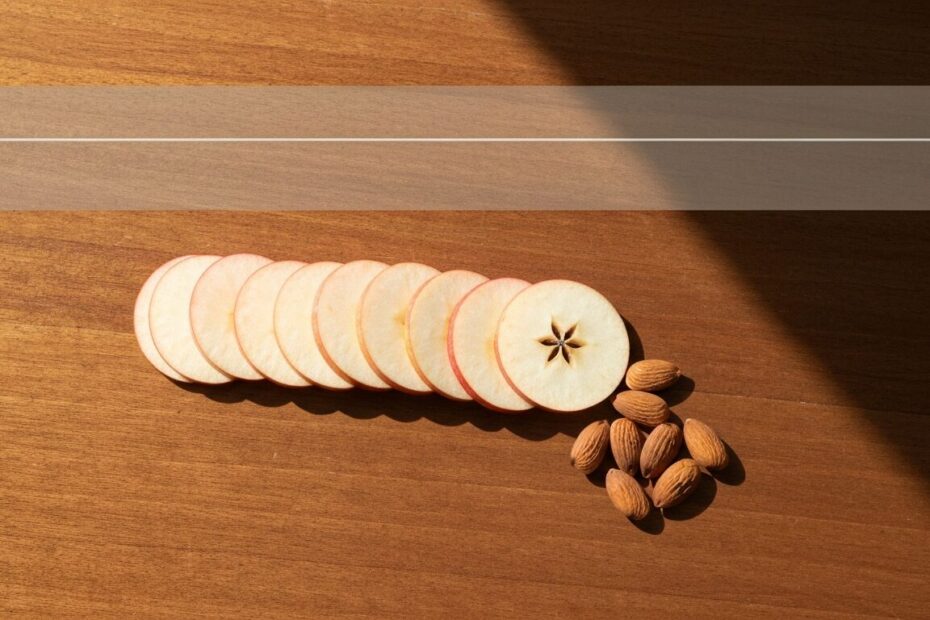
Personally I find that pairing protein with carbs is the best way to manage blood sugar daily.#BloodSugar #MetabolicHealth
Quick Video Breakdown: This Blog Article
This video clearly explains this blog article.
Even if you don’t have time to read the text, you can quickly grasp the key points through this video. Please check it out!
If you find this video helpful, please follow the YouTube channel “LifeNextDaily,” which delivers daily news.
https://www.youtube.com/@LifeNextDaily
Read this article in your native language (10+ supported) 👉
[Read in your language]
Research Shows How To Snack For Better Blood Sugar Control
⚠️ DISCLAIMER: This article is for informational purposes only and does not constitute medical advice. Always consult a healthcare professional.
John: 👋 Hello, Health Hackers! Ever feel like your energy levels are on a rollercoaster, crashing harder than a bad stock pick in a bear market? If you’ve been battling those mid-afternoon slumps or wondering why that innocent granola bar turns you into a zombie, you’re not alone. Today, we’re diving into some fresh research on snacking strategies that could help stabilize your blood sugar—without the hype or the crash diets. Think of this as your witty guide to outsmarting your metabolism, armed with science and a dash of humor.
Lila: Totally, John. As someone who’s bridged the gap for beginners, I know how overwhelming blood sugar talk can get. But why does this matter now? With rising awareness of metabolic health—thanks to trends like continuous glucose monitors and the boom in wellness apps—research is spotlighting simple tweaks that could make a big difference. According to a recent study highlighted on mindbodygreen.com, strategic snacking isn’t just about curbing hunger; it’s about maintaining steady energy, reducing inflammation risks, and even supporting long-term health. Key stat: Up to 88% of Americans may have some form of metabolic dysfunction, per recent surveys. In 2025, as we’re all juggling hybrid work and endless snacks, getting this right feels more relevant than ever. Let’s break it down without the fluff.
John: Spot on, Lila. Context is king—blood sugar control isn’t a fad; it’s foundational biology. With diabetes rates climbing globally (the CDC reports over 37 million Americans affected), and new studies linking poor glucose management to everything from brain fog to heart issues, snacking smarter is a low-barrier entry point. But we’re keeping it objective: research suggests these approaches, not miracle cures. Under 400 words? We’re good—now, onto the why.
The Problem (The “Why”)
John: Alright, let’s roast the old way of snacking. Picture your blood sugar as a wild party bus: too many sugary treats, and it’s careening off a cliff into a crash. The “old way” often means grabbing whatever’s handy—think vending machine chips or that innocent fruit yogurt loaded with hidden sugars. Biologically, this spikes your glucose levels sky-high, triggering an insulin rush that then plummets you into fatigue. It’s like flooring the gas pedal in traffic: exhilarating at first, but you end up stalled.
Lila: Great analogy, John—makes it relatable. The bottleneck here is the glycemic rollercoaster. In the past (and still for many), snacking was impulsive and carb-heavy, leading to energy dips, cravings, and long-term risks like insulin resistance. Research shows this “old way” was hard because it ignored how our bodies process macros—fats, proteins, and fibers slow absorption, while simple carbs speed it up. It was expensive in terms of health costs (think doctor visits) and risky, potentially exacerbating conditions like prediabetes. But hey, no judgment— we’ve all been there.
John: Exactly. The psychological side? Willpower drains fast when you’re hangry. Old habits relied on sheer grit to avoid bad snacks, but science tells us that’s unsustainable. Enter the new perspective: structured snacking as a system, not a struggle.
The Science Behind It
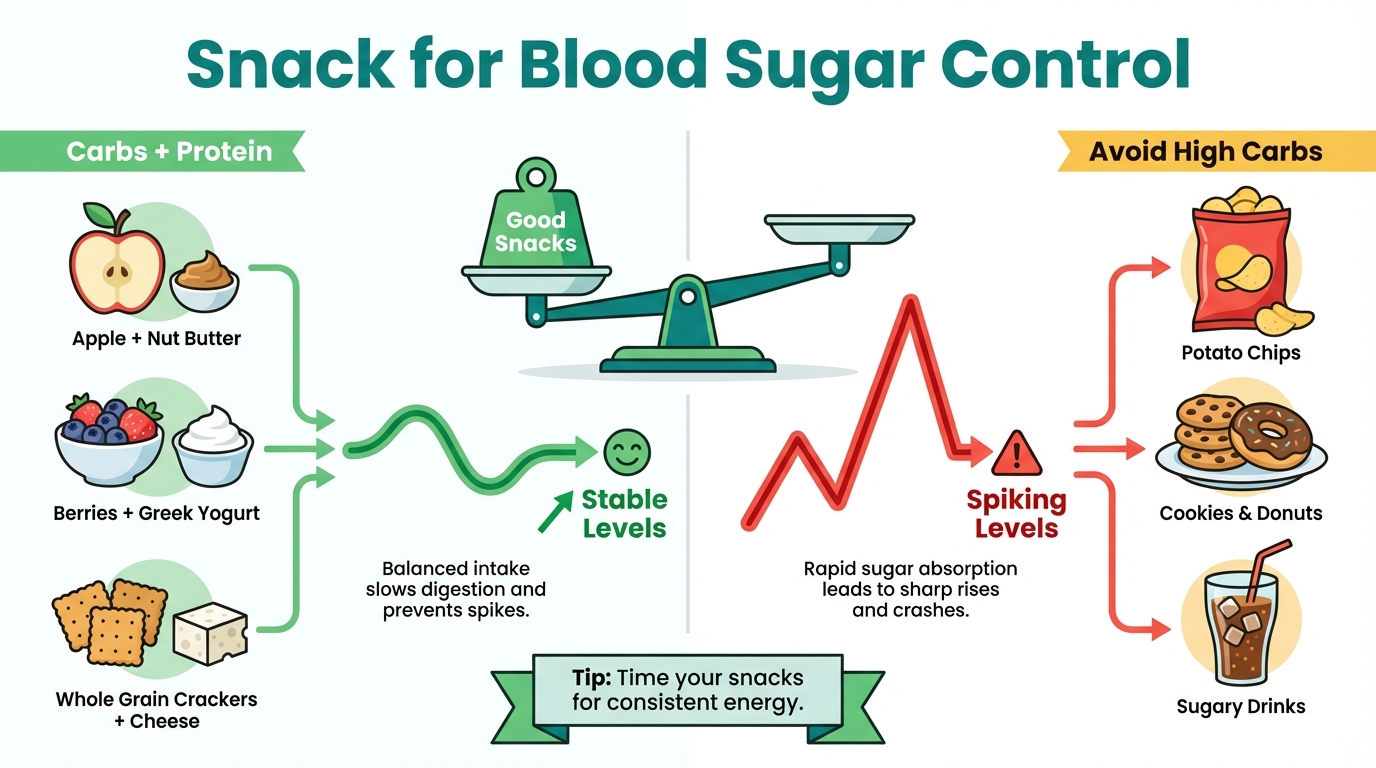
John: Under the hood, blood sugar control via snacking boils down to how nutrients interact with your body’s insulin response. Research suggests pairing carbs with proteins and fats can blunt glucose spikes. Let’s break it into beginner-friendly steps:
1. Ingestion Phase: When you eat, carbs break down into glucose, entering your bloodstream. Simple carbs (like in candy) flood in fast, spiking levels.
2. Insulin Kick-In: Your pancreas releases insulin to shuttle glucose into cells for energy. Too much at once? Overcompensation leads to a drop.
3. Stabilization Hack: Add fiber-rich veggies or nuts— they slow digestion, creating a steady release. Studies show this can reduce post-meal spikes by up to 30%.
4. Long-Term View: Consistent habits may improve insulin sensitivity over time, per metabolic research.
It’s like traffic control: old snacking is rush-hour chaos; new is adding lanes with smart signals.
Lila: Love that breakdown—simple yet scientific. For comparison, here’s how the old impulsive snacking stacks up against this research-backed approach.
| Aspect | Old Way (Impulsive Snacking) | New Way (Strategic Snacking) |
|---|---|---|
| Glucose Impact | Rapid spikes and crashes from high-GI foods. | Steady levels via balanced macros. |
| Energy Sustainability | Short bursts followed by fatigue. | Prolonged focus and reduced cravings. |
| Health Risks | Higher chance of insulin resistance over time. | Potential support for metabolic health. |
| Ease of Implementation | Relies on willpower; often fails. | Systematic and habit-forming. |
John: See? The data doesn’t lie—research from sources like the American Diabetes Association backs this shift. But remember, individual results vary; it’s about informed choices.
Practical Use Cases & Application
Lila: So, how does this play out in real life? For beginners, imagine swapping your afternoon cookie for apple slices with almond butter—research suggests this combo keeps glucose steady, helping you power through work without the 3 PM yawn-fest.
John: Witty take: It’s like upgrading from a rusty bike to an e-scooter for your metabolism. Example 1: Busy professionals—pair cheese with whole-grain crackers for meetings; studies indicate stabilized energy reduces decision fatigue.
Example 2: Fitness enthusiasts—post-workout, opt for Greek yogurt with berries. This balances protein and low-GI carbs, aiding recovery without spikes.
Example 3: Parents on the go—veggie sticks with hummus for kids (and you); it models healthy habits and keeps everyone’s blood sugar in check during chaotic days.
Example 4: Night owls— a small handful of nuts before bed; research points to less disruption in sleep-related glucose patterns.
These aren’t mandates—just ways research suggests snacking can enhance daily decision-making and mood.
Lila: Empathetic nod: It’s encouraging how small changes ripple out, but always tailor to your needs.
Educational Action Plan (How to Start)
John: No fluff—here’s a zero-to-hero plan, grounded in science. We’re objective: these are educational steps, not prescriptions.
Level 1 (Learn): Start by reading beginner resources like the mindbodygreen article or NIH guides on glycemic index. Watch free videos from reputable sources explaining insulin basics—aim for 20 minutes a day to build knowledge without overwhelm.
Level 2 (Try Safely): Experiment small-scale: Track one snack per day for a week, noting how you feel. For instance, compare a sugary bar vs. a balanced option like carrots with peanut butter. Use a simple journal, not fancy apps. Consider risks like allergies, and consult pros if you have conditions. It’s about safe, informed trials to see what research aligns with your body.
Lila: Bridge for beginners: This builds confidence gradually—results vary, but knowledge empowers.
Conclusion & Future Outlook
John: Wrapping up: The rewards of smart snacking? Potentially steadier energy and metabolic support, per research. Risks? Overdoing it could lead to calorie surplus, so balance is key. Effort vs. gain: Minimal tweaks yield big wins, but uncertainty looms—bodies differ, and more studies are needed.
Lila: Looking ahead, watch for advances in personalized nutrition via AI or wearables. Stay curious, folks—health is an evolving field.

👨💻 Author: SnowJon (Web3 & AI Practitioner / Investor)
A researcher who leverages knowledge gained from the University of Tokyo Blockchain Innovation Program to share practical insights on Web3 and AI technologies.
His motto is to translate complex technologies into forms that anyone can evaluate and use responsibly, fusing academic knowledge with practical experience.
*AI may assist drafting and structuring, but final verification and responsibility remain with the human author.
References
- Research Shows How To Snack For Better Blood Sugar Control
- Understanding Carbs – American Diabetes Association
- The Impact of Snacking on Blood Glucose – NIH Study
- Glycemic Index and Load – Harvard Health
- Prediabetes: Your Chance to Prevent Type 2 Diabetes – CDC
- Glycemic Index Diet – Mayo Clinic