In my view the science is empowering. A single workout boosts anti-cancer proteins.#health #science
Quick Video Breakdown: This Blog Article
This video clearly explains this blog article.
Even if you don’t have time to read the text, you can quickly grasp the key points through this video. Please check it out!
If you find this video helpful, please follow the YouTube channel “LifeNextDaily,” which delivers daily news.
https://www.youtube.com/@LifeNextDaily
Read this article in your native language (10+ supported) 👉
[Read in your language]
HIIT vs. Strength: Could a Single Workout Session Unleash Your Body’s Anti-Cancer Warriors?
⚠️ DISCLAIMER: This article is for informational purposes only and does not constitute medical advice. Always consult a healthcare professional.
👋 Hello, Health Hackers! Imagine lacing up your sneakers for a quick sweat session, only to discover you’re not just building muscle or blasting calories—you might be arming your body with microscopic cancer-fighting proteins. Sounds like a plot twist from a sci-fi wellness thriller, right? Well, buckle up, because recent research is flipping the script on how we view exercise. We’re diving into a study that suggests just one bout of HIIT or strength training could activate proteins linked to tumor suppression. But don’t worry, we’re keeping it real: no hype, just science, with a dash of wit to make it stick.
Why does this matter now? In a world where cancer touches one in three lives, and sedentary lifestyles are the norm (hello, desk jobs and endless streaming), this news is a game-changer. A study highlighted on mindbodygreen.com points to how even brief, intense workouts might trigger myokine production—those are signaling proteins from muscles that could help combat cancer cells. With global cancer rates projected to rise by 60% in the next two decades (per WHO stats), understanding exercise’s role isn’t just interesting; it’s empowering. We’ll unpack the “why,” the science, and how to apply it responsibly—without turning you into a gym zealot. Let’s get moving!
The Problem (The “Why”)
Picture your body as a bustling city under constant threat from rogue invaders—cancer cells being the sneaky villains plotting takeovers. In the “old way,” we thought fighting these baddies required marathon efforts: endless hours at the gym, strict diets, or even invasive treatments. But here’s the bottleneck: not everyone has the time, energy, or access for that. Sedentary living ramps up inflammation and weakens our natural defenses, making it easier for those villains to thrive. It’s like leaving your city’s gates unguarded while the guards nap on the job.
Research suggests chronic inactivity contributes to higher cancer risks by disrupting cellular repair and immune function. The old-school view? Exercise helps, but only if you grind for months. Enter this new twist: even one session might flip the switch. It’s a reminder that our bodies are resilient machines, but we’ve been underestimating the power of short, smart bursts. No more “all or nothing”—this is about efficiency in a time-starved world.
The Science Behind It

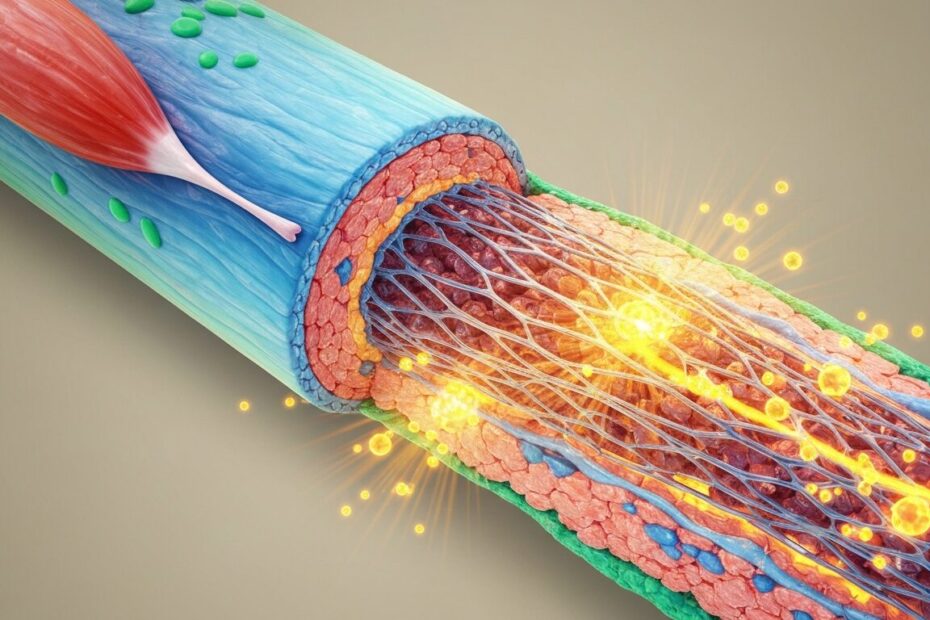
Let’s break this down like a friendly puzzle—nothing too jargony. When you exercise, your muscles don’t just get stronger; they act like tiny factories producing myokines, proteins that travel through your bloodstream and signal other cells to behave. The study in question looked at HIIT (High-Intensity Interval Training—think sprinting then resting) versus traditional strength training (lifting weights steadily).
Step 1: You start the workout. Your muscles contract, creating mechanical stress and energy demands.
Step 2: This triggers the release of myokines, such as interleukin-6 (IL-6), which in moderation acts anti-inflammatory and helps regulate cell growth.
Step 3: These proteins interact with immune cells and potentially inhibit tumor growth by promoting apoptosis (fancy term for programmed cell death in rogue cells).
Step 4: Even after one session, blood samples showed elevated levels of these anti-cancer allies, suggesting your body ramps up defenses quickly. Of course, consistency matters, but this hints at cumulative benefits from sporadic efforts too.
HIIT might edge out in speed of activation due to its intensity, while strength training builds longer-term muscle mass for sustained myokine production. Research suggests both could reduce risks for cancers like breast and colon, but remember, this is emerging science—not a cure-all.
| Aspect | Old Way (Traditional Cardio/Endurance) | New Way (HIIT or Strength Training) |
|---|---|---|
| Duration Needed for Benefits | Hours per week, steady-state to see changes | One 20-30 minute session could activate proteins |
| Myokine Activation | Gradual, requires consistency over months | Rapid spike post-session, potential anti-cancer effects |
| Accessibility | Demands time and equipment; burnout risk | Short bursts, home-friendly; lower barrier to entry |
| Risks | Overuse injuries from repetition | Intensity can strain if not paced; consult pros |
Practical Use Cases & Application
How does this shift your daily grind? Let’s get practical with some scenarios tailored to health enthusiasts. Remember, these are ideas based on research—adapt them wisely.
Example 1: The Busy Parent. Juggling kids and work? A 20-minute HIIT session (like burpees and sprints) could fit into your lunch break. Research suggests it might boost myokines, potentially aiding long-term health without derailing your day. It’s like hitting the refresh button on your body’s defense system.
Example 2: The Office Worker Battling Stress. Desk-bound all day? Opt for strength training, such as bodyweight squats or resistance bands. One session could activate proteins that help combat inflammation from chronic stress, which is linked to higher cancer risks. Think of it as arming your internal army with minimal effort.
Example 3: The Weekend Warrior. Not a daily gym-goer? A single strength workout on Saturday might still contribute to anti-cancer protein levels, per the study. Pair it with recovery days to avoid overdoing it—balance is key.
Example 4: Post-Recovery Individuals. If you’re easing back into fitness after an illness (with doctor approval), short HIIT bursts could offer benefits without overwhelming your system. It’s a gentle nudge toward resilience.
In each case, the change is subtle but profound: exercise becomes a tool for prevention, not just aesthetics. But hey, if you’re new, start slow—rushing into intensity is like revving a car engine without oil. Consider the risks, like joint strain, and always prioritize form.
Educational Action Plan (How to Start)
Ready to explore? Here’s a step-by-step guide to dip your toes in safely. This is educational—results vary, and professional guidance is crucial.
Level 1 (Learn): Start by reading up on myokines and exercise science. Check reputable sources like PubMed articles on “myokines and cancer” or watch TED Talks on muscle biology. Understand the basics: how muscles communicate with the rest of your body. Aim for 15-30 minutes of reading daily to build knowledge without overwhelm.
Level 2 (Try Safely): Once informed, experiment in a low-risk way. Begin with a 10-minute warm-up, then try a simple HIIT circuit: 30 seconds of jumping jacks, rest 30 seconds, repeat 5 times. Or for strength, do 3 sets of 10 push-ups. Track how you feel, but stop if anything hurts. Focus on small-scale trials at home—no fancy gear needed. Remember, this is about learning your body’s response, not pushing limits. If you have health concerns, get cleared by a doctor first.
Conclusion & Future Outlook
To wrap it up: the rewards of incorporating HIIT or strength training could include activated anti-cancer proteins with minimal effort, but risks like injury or overexertion loom if not approached mindfully. Effort vs. gain? It’s high-reward for low time investment, backed by emerging research, yet uncertainty remains—more studies are needed to confirm long-term effects.
Looking ahead, watch for advancements in personalized exercise prescriptions, perhaps integrating AI to tailor workouts. One perspective is that this could democratize health, but always balance with holistic habits like diet and sleep. Stay curious, stay safe, and here’s to smarter sweating!

👨💻 Author: SnowJon (Web3 & AI Practitioner / Investor)
A researcher who leverages knowledge gained from the University of Tokyo Blockchain Innovation Program to share practical insights on Web3 and AI technologies.
His motto is to translate complex technologies into forms that anyone can evaluate and use responsibly, fusing academic knowledge with practical experience.
*AI may assist drafting and structuring, but final verification and responsibility remain with the human author.
References
- HIIT vs. Strength: Just One Session Could Activate Anti-Cancer Proteins
- Myokines and Their Role in Cancer Prevention – NCBI
- Cancer Fact Sheet – World Health Organization
- Physical Activity and Cancer Risk – National Cancer Institute
- The Role of Exercise in Cancer Prevention – American Journal of Physiology