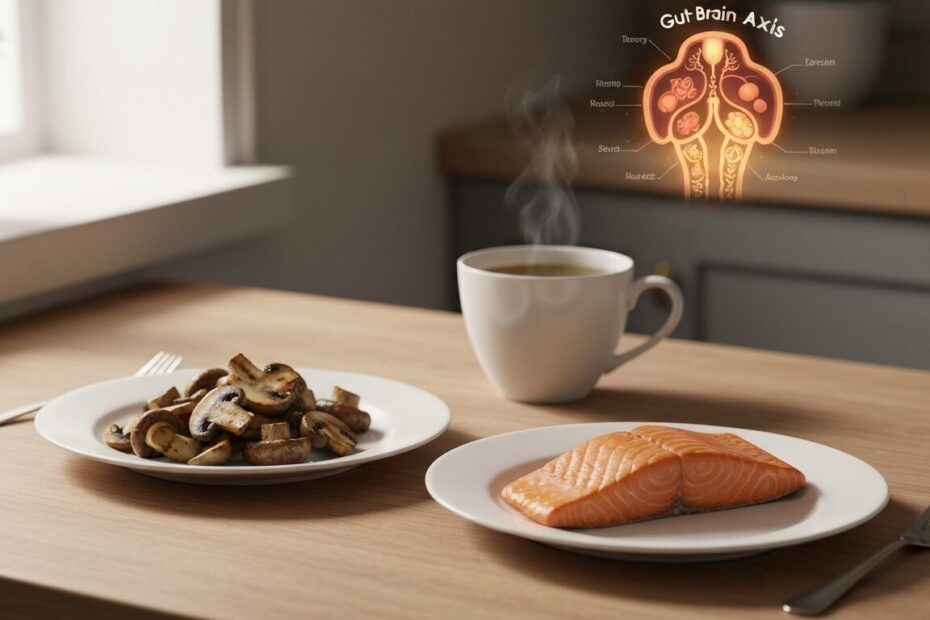
In my view, simple diet tweaks can be a powerful ally for better mental health.
—#MentalHealth #GutHealth
—
Quick Video Breakdown: This Blog Article
This video clearly explains this blog article.
Even if you don’t have time to read the text, you can quickly grasp the key points through this video. Please check it out!
If you find this video helpful, please follow the YouTube channel “LifeNextDaily,” which delivers daily news.
https://www.youtube.com/@LifeNextDaily
Read this article in your native language (10+ supported) 👉
[Read in your language]
Add These Foods, Drinks & Nutrients To Your Diet To Fight Depression & Anxiety
⚠️ DISCLAIMER: This article is for informational purposes only and does not constitute medical advice. Always consult a healthcare professional.
John: 👋 Hello, Health Hackers! Ever feel like your brain is a garden that’s been hit by a drought—wilted, unproductive, and just begging for some rain? Well, if you’re battling the blues or that nagging anxiety, what you put on your plate might be the watering can you’ve been missing. Today, we’re diving into how certain foods, drinks, and nutrients could help fight depression and anxiety. No, this isn’t some miracle cure-all; it’s backed by science, but remember, it’s not a substitute for professional help.
Lila: Exactly, John. As your bridge for beginners, I’m here to make sure we keep things real and relatable. Why does this matter now? With mental health challenges on the rise—did you know that over 280 million people worldwide suffer from depression, according to the World Health Organization?—people are turning to holistic approaches. The good news? Research suggests that tweaking your diet can support mood regulation without the hype of fad diets. We’re talking evidence from studies on gut-brain connections and nutrient impacts. Let’s unpack this empathetically and scientifically, with a dash of humor to lighten the load.
John: Spot on, Lila. In a world where stress is the new normal, understanding how nutrition influences our mental state is crucial. It’s not about overnight fixes; it’s about sustainable changes that could enhance your overall well-being. Stick around as we roast some common myths and highlight what the data really says.
The Problem (The “Why”)
John: Let’s start with the “why” using a real-world analogy. Imagine your brain as a bustling city traffic system. When everything’s flowing, life is smooth. But throw in roadblocks like poor nutrition, and suddenly you’ve got gridlock—mood swings, fatigue, and that overwhelming fog of depression or anxiety. The old way? Relying on processed foods, caffeine overloads, and whatever’s quick and convenient. This often leads to nutrient deficiencies that exacerbate mental health issues. For instance, low levels of omega-3s or B vitamins can disrupt serotonin production, the “feel-good” chemical. It’s like trying to run a marathon on empty—exhausting and ineffective.
Lila: I love that analogy, John. It makes the biological bottleneck so clear. In the past, people might ignore diet’s role, thinking mental health is just “in your head.” But science shows the gut-brain axis is real—your gut microbiome influences mood via neurotransmitters. The old approach was risky because it overlooked how inflammation from junk food could worsen anxiety, leading to a cycle of poor choices. What was hard? Consistency in a fast-paced life, plus the expense of “healthy” options that aren’t always accessible.
John: Precisely. Research suggests that diets high in refined sugars and low in fiber contribute to higher rates of depression. It’s a systemic issue, not just willpower.
The Science Behind It
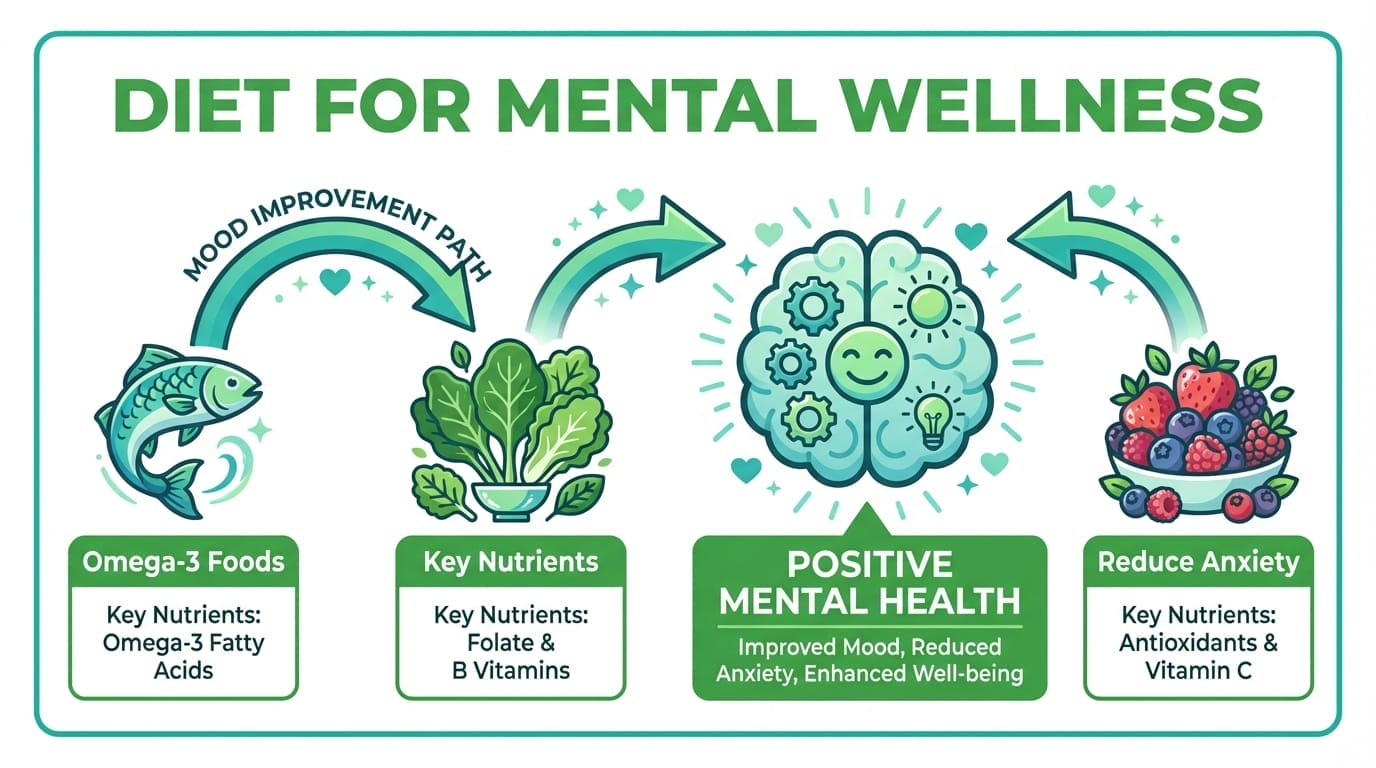
John: Under the hood, it’s all about how nutrients interact with your body’s systems. Let’s break it down in beginner-friendly steps. First, the gut-brain axis: Your intestines are like a second brain, producing 90% of your serotonin. Foods rich in fiber, like those from mushrooms, feed beneficial gut bacteria, which in turn support mood stability. Second, anti-inflammatory nutrients: Omega-3s from fatty fish reduce brain inflammation linked to depression. Third, antioxidants and vitamins: Think vitamin D from sunlight or fortified foods, which research links to lower anxiety levels. It’s not magic—it’s biochemistry.
Lila: Okay, but let’s make it even simpler. Step 1: Eat fiber-rich foods (e.g., mushrooms, oats) to nurture gut health. Step 2: Incorporate omega-3 sources like salmon or walnuts for brain protection. Step 3: Don’t forget magnesium from nuts and greens, which helps regulate stress hormones. Humor alert: It’s like upgrading your brain’s software from buggy beta to stable release!
| Aspect | Old Way (Traditional Diet) | New Way (Nutrient-Focused Diet) |
|---|---|---|
| Gut Health Impact | Processed foods lead to microbiome imbalance, increasing inflammation and mood dips. | Fiber from mushrooms and veggies promotes healthy bacteria, supporting serotonin production. |
| Inflammation Levels | High sugar intake fuels chronic inflammation, worsening anxiety. | Omega-3s and antioxidants reduce inflammation, potentially easing symptoms. |
| Nutrient Absorption | Deficiencies in B vitamins from unbalanced meals disrupt energy and mood. | Balanced intake of nuts, greens, and fermented foods boosts absorption and mental resilience. |
| Sustainability | Crash diets or reliance on meds alone often fail long-term. | Holistic, enjoyable additions like herbal teas make changes stickier. |
John: See that table? It highlights how shifting to a nutrient-dense approach isn’t just trendy—it’s a smarter system based on evidence.
Practical Use Cases & Application
Lila: So, how does this change daily life? Let’s look at scenarios tailored to health and wellness.
John: Example 1: The Busy Professional. You’re stressed at work, anxiety spiking. Research suggests adding green tea (rich in L-theanine) to your routine could promote calm without drowsiness. Pair it with a mushroom stir-fry for fiber—think of it as armor for your gut.
Lila: Example 2: The Student Under Pressure. Finals got you down? Incorporating fatty fish like salmon twice a week might support cognitive function and reduce depressive symptoms, per studies. It’s like giving your brain premium fuel instead of cheap gas.
John: Example 3: The Parent Juggling It All. Anxiety from daily chaos? Nuts and seeds for magnesium can help regulate cortisol. One perspective is starting your day with a smoothie including berries (antioxidants) to build resilience.
Lila: Example 4: Post-Workout Recovery. If exercise is your anxiety buster but leaves you drained, fermented foods like yogurt support gut health, potentially improving mood recovery. It’s all about balance.
Educational Action Plan (How to Start)
John: Ready to dip your toes? Here’s a step-by-step guide, keeping it educational and safe.
Lila: Level 1 (Learn): Start by reading reputable sources like the Harvard Health Blog on nutrition and mental health. Watch TED Talks on the gut-brain axis to grasp the basics without overwhelm.
John: Level 2 (Try Safely): Begin small—add one new food, like mushrooms to a salad, once a week. Track how you feel in a journal, but consult a doctor first, especially if on medications. For drinks, try chamomile tea in the evening; research suggests it may aid relaxation. Remember, results vary, and this is about exploration, not guarantees.
Lila: Emphasize variety and moderation—don’t overhaul everything at once to avoid burnout.
Conclusion & Future Outlook
John: In summary, while risks like over-relying on diet alone exist (always pair with therapy if needed), the rewards of better mood and energy can be significant with minimal effort. It’s about effort vs. gain: Small tweaks yield compounding benefits.
Lila: Looking ahead, more research on personalized nutrition could refine this. Watch for studies on microbiome testing, but uncertainty remains—mental health is multifaceted.
John: Stay curious, folks. Health is a journey, not a destination.

👨💻 Author: SnowJon (Web3 & AI Practitioner / Investor)
A researcher who leverages knowledge gained from the University of Tokyo Blockchain Innovation Program to share practical insights on Web3 and AI technologies.
His motto is to translate complex technologies into forms that anyone can evaluate and use responsibly, fusing academic knowledge with practical experience.
*AI may assist drafting and structuring, but final verification and responsibility remain with the human author.
References
- Add These Foods, Drinks & Nutrients To Your Diet To Fight Depression & Anxiety
- World Health Organization: Depression Fact Sheet
- Harvard Health: Nutritional Psychiatry – Your Brain on Food
- NCBI: The Gut-Brain Axis and Mental Health
- Mayo Clinic: Depression and Diet