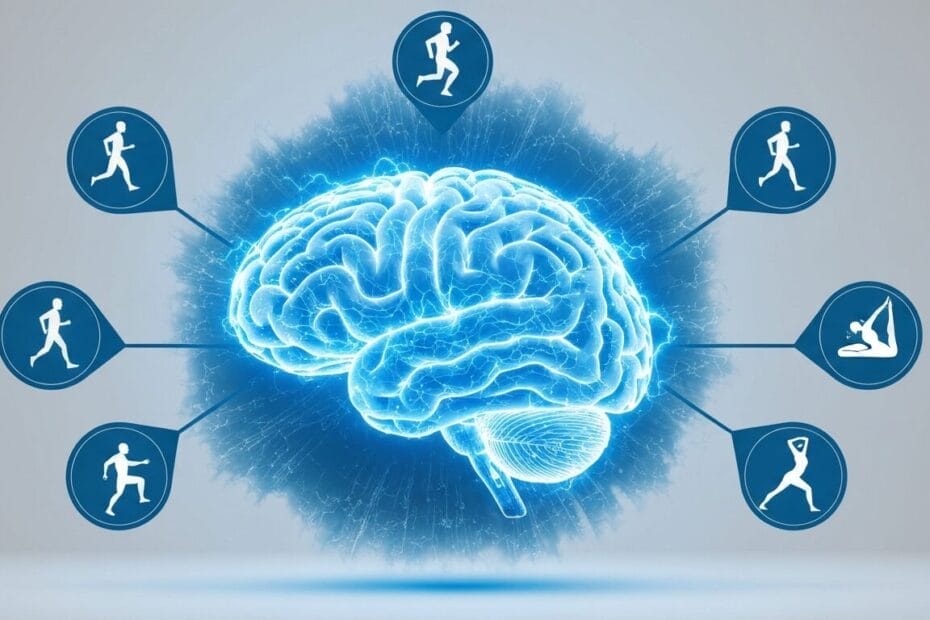
From experience, just five minutes of daily motion significantly aids brain health.#BrainHealth #Wellness
Quick Video Breakdown: This Blog Article
This video clearly explains this blog article.
Even if you don’t have time to read the text, you can quickly grasp the key points through this video. Please check it out!
If you find this video helpful, please follow the YouTube channel “LifeNextDaily,” which delivers daily news.
https://www.youtube.com/@LifeNextDaily
Read this article in your native language (10+ supported) 👉
[Read in your language]
Got 5 Minutes? Research Says Do This To Boost Brain Health Fast
⚠️ DISCLAIMER: This article is for informational purposes only and does not constitute medical advice. Always consult a healthcare professional.
John: 👋 Hello, Health Hackers! Ever feel like your brain is running on fumes, juggling work emails, family chaos, and that endless to-do list? You’re not alone. In our fast-paced world, brain fog is the unwelcome guest that crashes the party. But here’s the kicker: research is shouting from the rooftops that just 5 minutes of movement can supercharge your cognitive engines. No gym membership required, no fancy equipment—just you, your body, and a dash of science-backed wisdom.
Lila: Totally relatable, John. I remember scrolling through my feed and stumbling on this gem from mindbodygreen.com. It’s based on fresh studies showing how micro-movements can fend off mental decline. Why now? Well, with remote work blurring lines between couch and office, sedentary lifestyles are at an all-time high. The World Health Organization notes that 1 in 4 adults aren’t moving enough, leading to risks like cognitive slowdown. But this isn’t doom and gloom—it’s a wake-up call with an easy fix. Let’s dive in and unpack why these quick bursts matter, especially as we head into 2026 with more AI-driven sedentary jobs on the horizon.
John: Spot on, Lila. This topic hits home because brain health isn’t just about aging gracefully; it’s about thriving today. Studies from places like the American Journal of Physiology highlight how even brief activity spikes neurotransmitter levels, improving focus and mood. In a world where mental health challenges are rising—think post-pandemic stress—this simple hack could be a game-changer. We’ll break it down with humor, analogies, and zero hype, because let’s face it, wellness trends come and go, but solid biology sticks.
The Problem (The “Why”)
Lila: Okay, beginners, let’s start with the “why” using an analogy everyone gets: think of your brain as a high-performance car engine. In the old way, we’re treating it like a rusty jalopy parked in the garage all day—sedentary habits from desk jobs or binge-watching sessions let gunk build up, slowing everything down. Biologically, prolonged sitting reduces blood flow to the brain, starving it of oxygen and nutrients. Research suggests this can lead to decreased neurogenesis (that’s the birth of new brain cells) and heightened inflammation, which is like rust corroding your engine parts.
John: Haha, yeah, Lila—imagine trying to rev that engine without ever taking it for a spin. The “old way” was all about marathon gym sessions or nothing, which is expensive (gym fees, time commitment) and risky (injury from overdoing it). Psychologically, it relies on sheer willpower, which fizzles out fast. Economically? Well, poor brain health costs societies billions in lost productivity—think foggy decisions at work or healthcare bills from stress-related issues. But the bottleneck? It’s accessibility. Not everyone has hours to spare, so brains suffer silently.
Lila: Exactly. The hard part was believing movement had to be intense or lengthy. Old myths said you need 30+ minutes to see benefits, leaving beginners overwhelmed. Now, science is flipping the script with evidence that even tiny doses work wonders.
The Science Behind It
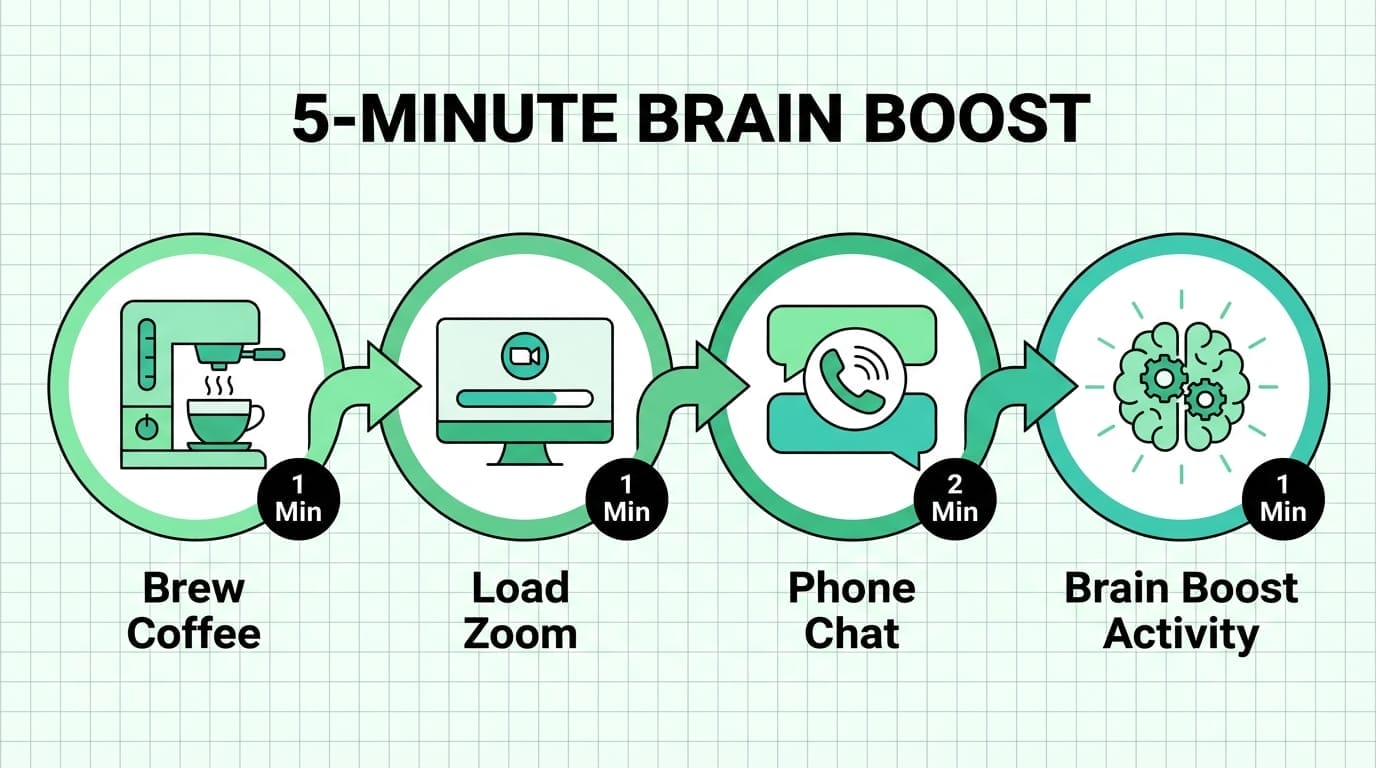
John: Under the hood, it’s all about biology’s feedback loops. Let’s break it down step by step for our beginner friends. First, when you move—even just marching in place—your heart rate ticks up, pumping more blood to the brain. This delivers oxygen and nutrients, kicking off a cascade: release of BDNF (Brain-Derived Neurotrophic Factor), often called “Miracle-Gro for the brain.” It promotes neuron growth and connections.
Lila: Love that analogy, John—it’s like fertilizing a garden instead of letting weeds take over. Step two: movement reduces cortisol (stress hormone) and boosts endorphins, sharpening focus and mood. Studies, like those in the Journal of Applied Physiology, show 5 minutes of moderate activity can enhance executive function—that’s your brain’s CEO skills for planning and decision-making.
John: Step three: It combats inflammation. Chronic sitting spikes markers like C-reactive protein, but quick moves dial them down. For intermediates, think of it as optimizing your neural pathways—stronger synapses mean better memory and learning. No magic, just physiology at work.
Lila: And for the witty part: if your brain was a smartphone, sitting is like leaving it on low battery mode forever. These 5-minute charges? They’re the quick plug-in that prevents crashes.
| Aspect | Old Way (Sedentary Habits) | New Way (5-Minute Movement) |
|---|---|---|
| Brain Impact | Reduced blood flow, lower BDNF, higher inflammation | Increased oxygenation, BDNF surge, reduced stress |
| Time Requirement | 30+ minutes, often skipped | Just 5 minutes, easy to fit in |
| Accessibility | Needs gym/equipment, high barrier | Anywhere, anytime, no gear needed |
| Long-Term Risks | Cognitive decline, mood disorders | Potential for sustained brain health |
John: See that table? It’s your cheat sheet. The old way is like driving with the handbrake on—inefficient and damaging. The new way? Smooth sailing with science as your GPS.
Practical Use Cases & Application
Lila: So, how does this change daily life? For starters, imagine a busy parent: instead of collapsing on the couch after dinner, they do 5 minutes of dancing with the kids. Research suggests this boosts family bonding and sharpens everyone’s focus for homework time.
John: Witty twist: It’s like hitting the refresh button on your human OS. Example one: Office workers. Stuck in meetings? Sneak in desk stretches or a quick walk. Studies show this can improve problem-solving by up to 20%. No more post-lunch slumps.
Lila: Example two: Students or learners. Before studying, a 5-minute yoga flow. It enhances memory retention, per neuroscience findings—think of it as prepping the soil before planting seeds.
John: Third: Seniors or those with mobility limits. Gentle chair exercises count! Research indicates reduced risk of dementia markers. And for remote workers in 2026? With AI handling more tasks, these breaks prevent burnout, keeping creativity flowing.
Lila: Last one: Stress management. Feeling anxious? A brisk walk releases those feel-good chemicals. It’s not a cure-all, but one perspective is it rewires your response to daily hassles.
Educational Action Plan (How to Start)
John: Ready to experiment? Remember, this is educational—results vary, and consult pros. Level 1 (Learn): Start by reading the source article or check out NIH resources on exercise and brain health. Watch free videos from reputable sites explaining BDNF.
Lila: Level 2 (Try Safely): Begin small. Step 1: Set a timer for 5 minutes during a break. Step 2: Choose easy moves like marching, arm circles, or squats—nothing strenuous. Step 3: Track how you feel afterward in a journal. For safety, if you have health conditions, get clearance first. Build habits gradually, maybe tying it to coffee breaks.
John: Intermediate tip: Combine with mindfulness—move while focusing on breath. Research suggests compounding benefits. But hey, if it doesn’t click, adjust; it’s about sustainable tweaks, not perfection.
Conclusion & Future Outlook
Lila: Wrapping up, the rewards of 5-minute movements? Potentially sharper thinking, better mood, and long-term brain resilience. Risks? Minimal if done gently, but overdoing could strain—balance is key. Effort vs. gain: Low input, high output.
John: Looking ahead, as AI integrates more into life by 2025-2026, sedentary risks may rise, but so will tech reminders for movement. Uncertainty abounds—more studies needed on long-term effects. Watch for updates from sources like WHO. Remember, research suggests this as one tool in your kit; stay curious and consult experts.

👨💻 Author: SnowJon (Web3 & AI Practitioner / Investor)
A researcher who leverages knowledge gained from the University of Tokyo Blockchain Innovation Program to share practical insights on Web3 and AI technologies.
His motto is to translate complex technologies into forms that anyone can evaluate and use responsibly, fusing academic knowledge with practical experience.
*AI may assist drafting and structuring, but final verification and responsibility remain with the human author.
References
- Got 5 Minutes? Research Says Do This To Boost Brain Health Fast
- World Health Organization: Physical Activity Fact Sheet
- Journal of Applied Physiology: Exercise and Brain Health
- NIH: BDNF and Exercise
- Harvard Health: Benefits of Movement for Mental Health