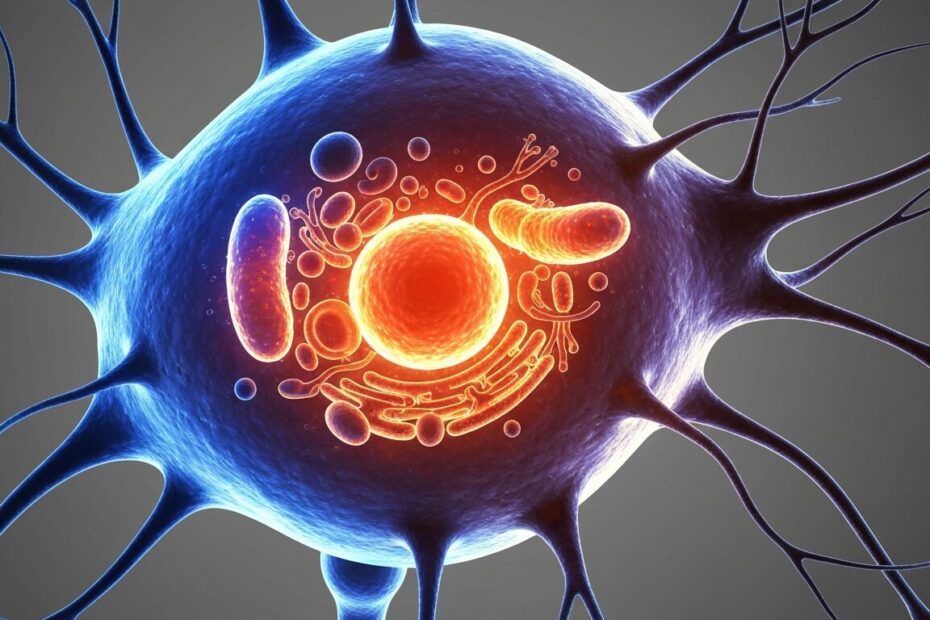
Personally, this Alzheimer’s research on energy restoration suggests a proactive path forward.#Alzheimers #BrainHealth
Quick Video Breakdown: This Blog Article
This video clearly explains this blog article.
Even if you don’t have time to read the text, you can quickly grasp the key points through this video. Please check it out!
If you find this video helpful, please follow the YouTube channel “LifeNextDaily,” which delivers daily news.
https://www.youtube.com/@LifeNextDaily
Read this article in your native language (10+ supported) 👉
[Read in your language]
Can Alzheimer’s Be Reversed? New Research Points To A Surprising Pathway
⚠️ DISCLAIMER: This article is for informational purposes only and does not constitute medical advice. Always consult a healthcare professional.
John: 👋 Hello, Health Hackers! Ever feel like your brain is a smartphone running on 1% battery—glitchy, forgetful, and desperately in need of a recharge? Well, buckle up, because new research is flipping the script on Alzheimer’s disease. Instead of just managing symptoms, scientists are eyeing a “surprising pathway” that could actually reverse some of the damage by restoring cellular energy. We’re talking mitochondria, those tiny power plants in your cells that might hold the key to turning back the clock on cognitive decline.
Lila: Hold on, John—Alzheimer’s affects over 6 million Americans alone, and globally, it’s a ticking time bomb with nearly 55 million people living with dementia as of recent estimates. Why does this matter now? With an aging population and no cure in sight, this research from sources like mindbodygreen.com is a beacon of hope. It’s not promising miracles, but it suggests that boosting energy at the cellular level could repair brain cells before it’s too late. Think of it as preventive maintenance for your mind—timely, given how lifestyle factors like diet and exercise are already linked to brain health.
John: Exactly, Lila. This isn’t sci-fi; it’s grounded in emerging studies showing that Alzheimer’s isn’t just about plaques and tangles—it’s also about cells running out of juice. Research points to mitochondrial dysfunction as a core issue, where cells can’t produce enough energy to function or repair themselves. The good news? Interventions that amp up this energy might halt or even reverse early damage. But remember, this is exploratory—one study in Nature Neuroscience highlighted how restoring NAD+ levels (a key energy molecule) improved memory in animal models. Why now? Post-pandemic, we’re more aware of brain fog and long-term health, making this pathway a hot topic for 2024 and beyond.
The Problem (The “Why”)
John: Let’s roast the old way of thinking about Alzheimer’s. Traditionally, we’ve treated it like a junkyard of brain debris—amyloid plaques and tau tangles gumming up the works, leading to neuron death. The bottleneck? It’s not just the junk; it’s that your brain cells are too exhausted to clean it up or regenerate. Imagine your brain as a bustling city during a blackout: traffic lights fail, garbage piles up, and everything grinds to a halt because there’s no power.
Lila: Great analogy, John. In the “old way,” treatments focused on symptom relief, like drugs that tweak neurotransmitters, but they often ignored the root energy crisis. This made reversing damage hard, expensive (think billions in healthcare costs), and risky—side effects from meds could worsen quality of life. Research suggests mitochondrial failure starves cells of ATP, the energy currency, leading to inflammation and cell death. It’s like trying to drive a car with a dead battery; no matter how much you polish the exterior, it won’t start without a jump.
John: Spot on. Without addressing this energy deficit, progression is inevitable, affecting memory, mood, and independence. But here’s the witty twist: What if we treated the brain like a Tesla instead of a gas-guzzler? Recharge the batteries, and suddenly, the system self-corrects.
The Science Behind It

John: Under the hood, this surprising pathway revolves around restoring cellular energy, particularly through mitochondria. Let’s break it down like assembling a IKEA shelf—step by step, no frustration included.
Lila: Step 1: Understand the players. Mitochondria are the powerhouses, producing ATP via processes like the electron transport chain. In Alzheimer’s, they’re damaged by oxidative stress, leading to low energy and cell dysfunction.
John: Step 2: The surprising pathway? Boosting molecules like NAD+ (nicotinamide adenine dinucleotide), which fuels mitochondrial repair. Research suggests precursors like NMN or lifestyle tweaks (exercise, fasting) can elevate NAD+, helping cells clear debris and regenerate.
Lila: Step 3: The ripple effect—energized cells reduce inflammation, protect neurons, and potentially reverse synaptic loss. It’s not a cure-all, but animal studies show improved cognition.
John: Humor alert: If your brain was a party, Alzheimer’s is the blackout that kills the vibe. This pathway is like flipping the lights back on—suddenly, everyone’s dancing again.
| Aspect | Old Way (Symptom Management) | New Pathway (Energy Restoration) |
|---|---|---|
| Focus | Targeting plaques/tangles with drugs | Boosting mitochondrial function and NAD+ |
| Effectiveness | Slows progression but rarely reverses | Potential for repair in early stages |
| Risks | Side effects like nausea, dependency | Needs more human trials; over-supplementation risks |
| Accessibility | Prescription-heavy, costly | Lifestyle-integrated, but emerging |
Practical Use Cases & Application
John: So, how does this change daily life? For caregivers, it means hope for interventions that go beyond pills—think personalized plans focusing on energy-boosting habits.
Lila: Example 1: In elderly care, research suggests incorporating intermittent fasting or exercise to naturally boost NAD+, potentially improving memory recall during family interactions. One perspective is that this could make conversations more engaging, reducing isolation.
John: Example 2: For at-risk individuals (like those with family history), monitoring mitochondrial health via biomarkers could inform diet—high in antioxidants to fight oxidative stress. Imagine tweaking your morning smoothie to “recharge” your brain, making work decisions sharper.
Lila: Example 3: In wellness routines, combining this with sleep optimization—since poor sleep drains cellular energy—might enhance overall cognition, helping with learning new skills or hobbies.
John: Example 4: For researchers and enthusiasts, this pathway encourages tracking personal metrics (like energy levels) to spot early signs, shifting decision-making from reactive to proactive brain health.
Educational Action Plan (How to Start)
Lila: Ready to dip your toes? Here’s a safe, educational ramp-up—no prescriptions, just knowledge.
John: Level 1 (Learn): Start by reading reputable sources like the Alzheimer’s Association website or books such as “The End of Alzheimer’s” by Dr. Dale Bredesen. Watch TED Talks on mitochondrial health to grasp basics—research suggests understanding energy metabolism is key.
Lila: Level 2 (Try Safely): Experiment with small habits in a test environment, like adding short walks to boost circulation (which supports mitochondria). Track your energy in a journal, but always consult pros before changes. Consider the risks of overdoing it, like fatigue from unguided fasting.
Conclusion & Future Outlook
John: In summary, the rewards of this energy-restoration pathway could be game-changing—potentially reversing early Alzheimer’s damage with less effort than traditional methods. But risks loom: human trials are nascent, and not everyone responds the same. Effort vs. gain? Low-risk habits pay off, but expect uncertainty.
Lila: Looking ahead, watch for clinical trials on NAD+ boosters. Analysts suggest by 2025, we might see approved therapies, but outcomes vary. Stay informed, stay empathetic—this is hope, not hype.

👨💻 Author: SnowJon (Web3 & AI Practitioner / Investor)
A researcher who leverages knowledge gained from the University of Tokyo Blockchain Innovation Program to share practical insights on Web3 and AI technologies.
His motto is to translate complex technologies into forms that anyone can evaluate and use responsibly, fusing academic knowledge with practical experience.
*AI may assist drafting and structuring, but final verification and responsibility remain with the human author.
References
- Can Alzheimer’s Be Reversed? New Research Points To A Surprising Pathway
- Alzheimer’s Association – Official Website
- Nature Neuroscience Study on NAD+ and Brain Health
- PubMed Review: Mitochondrial Dysfunction in Alzheimer’s
- World Health Organization – Dementia Facts
▼ AI tools to streamline research and content production (free tiers may be available)
Free AI search & fact-checking
👉 Genspark
Recommended use: Quickly verify key claims and track down primary sources before publishing
Ultra-fast slides & pitch decks (free trial may be available)
👉 Gamma
Recommended use: Turn your article outline into a clean slide deck for sharing and repurposing
Auto-convert trending articles into short-form videos (free trial may be available)
👉 Revid.ai
Recommended use: Generate short-video scripts and visuals from your headline/section structure
Faceless explainer video generation (free creation may be available)
👉 Nolang
Recommended use: Create narrated explainer videos from bullet points or simple diagrams
Full task automation (start from a free plan)
👉 Make.com
Recommended use: Automate your workflow from publishing → social posting → logging → next-task creation
※Links may include affiliate tracking, and free tiers/features can change; please check each official site for the latest details.