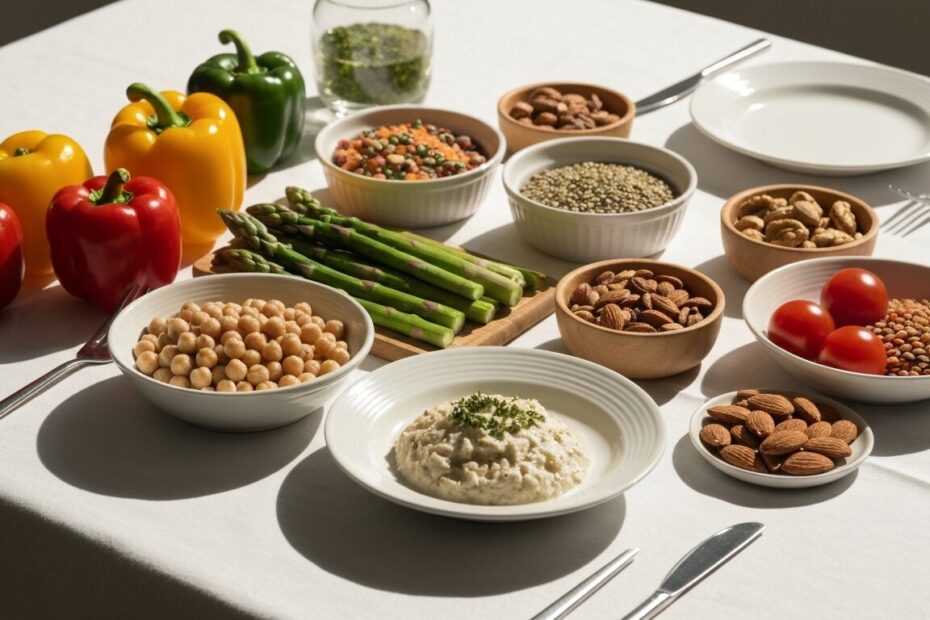
Personally the SEA Diet offers a sustainable path to health through proven community habits#SEADiet #BlueZones
Quick Video Breakdown: This Blog Article
This video clearly explains this blog article.
Even if you don’t have time to read the text, you can quickly grasp the key points through this video. Please check it out!
If you find this video helpful, please follow the YouTube channel “LifeNextDaily,” which delivers daily news.
https://www.youtube.com/@LifeNextDaily
Read this article in your native language (10+ supported) 👉
[Read in your language]
What Is The SEA Diet & How Does It Help People Live Past 100?
⚠️ DISCLAIMER: This article is for informational purposes only and does not constitute medical advice. Always consult a healthcare professional.
👋 Hello, Health Hackers! Ever wondered why some folks seem to breeze past the century mark, looking like they’ve discovered the fountain of youth in their backyard? Well, buckle up, because today we’re diving into the SEA Diet—not some trendy ocean-themed fad where you munch on seaweed salads while pretending to be a mermaid, but a clever acronym that’s making waves in longevity circles. Based on insights from mindbodygreen.com, the SEA Diet stands for Sardinian, East Asian, and Adventist eating patterns, drawing from real-world “Blue Zones” where people routinely live to 100 and beyond. Think of it as nature’s cheat code for outsmarting Father Time.
Why does this matter now? In a world where we’re bombarded with quick-fix diets promising eternal youth (spoiler: most are about as effective as a chocolate teapot), the SEA Diet stands out because it’s backed by observational studies from regions like Sardinia, Okinawa, and Loma Linda. These aren’t lab experiments; they’re real people thriving on plant-heavy, community-focused lifestyles. With global life expectancy hovering around 73 years (per WHO data), and chronic diseases like heart issues and diabetes on the rise, exploring evidence-based eating habits could be a game-changer. Plus, in 2024, as we grapple with post-pandemic health resets, research suggests that mimicking these patterns might add years to your life—without needing a time machine or a pact with a genie. Stick around as we unpack the “why,” the science, and how to dip your toes in responsibly. (Word count check: This intro’s under 300 words—plenty of room for the deep dive!)
The Problem (The “Why”)
John: Alright, let’s cut through the fluff. Modern life is like a bad video game level: you’re dodging processed foods, stress bombs, and sedentary traps, all while your body’s “health meter” drains faster than a leaky battery. The big bottleneck? Our diets are often overloaded with sugars, fats, and empty calories that inflame everything from your gut to your arteries. Research suggests this leads to oxidative stress and chronic inflammation, which accelerate aging—like rust on an old car that eventually makes it fall apart.
Lila: Totally, John. Think of it like gardening: if you plant junk in poor soil (that’s your body on a junk-food diet), you get wilted plants. In the “old way,” people chased restrictive diets or miracle supplements, but they were expensive, unsustainable, and risky—leading to yo-yo weight, nutrient gaps, or even disordered eating. The SEA Diet flips the script by focusing on whole-food patterns proven in long-lived communities, making longevity accessible without the hype.
The Science Behind It
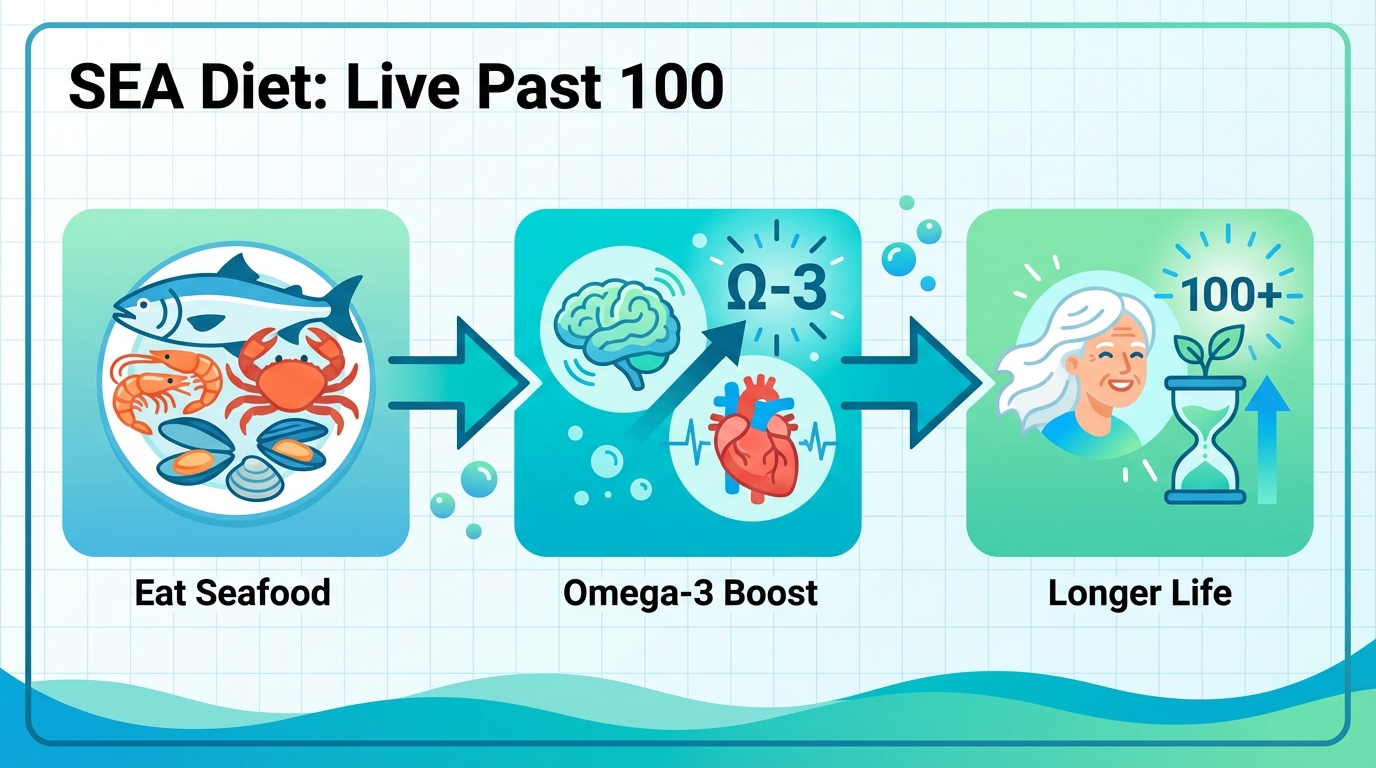
John: Under the hood, the SEA Diet isn’t magic—it’s biology in action. Let’s break it down step by step for beginners. First, “Sardinian” draws from the Mediterranean-style eating in Sardinia, emphasizing veggies, legumes, whole grains, and moderate wine (yes, a glass of red might help, but don’t go overboard—research links it to heart health via antioxidants like resveratrol). This reduces inflammation and supports cardiovascular function.
Next, “East Asian” nods to Okinawa’s plant-based powerhouse: think sweet potatoes, tofu, and green tea, rich in polyphenols that combat free radicals—those pesky molecules that damage cells like tiny wrecking balls. Studies show this pattern correlates with lower rates of cancer and dementia.
Finally, “Adventist” from Loma Linda highlights vegetarian or vegan-leaning meals with nuts, fruits, and beans, promoting gut health through fiber and lowering cholesterol. The core mechanism? These diets boost telomere length (the protective caps on your DNA, like aglets on shoelaces) and enhance autophagy (your body’s recycling system, cleaning out damaged cells). Research suggests this combo could add up to 10 years to life expectancy, but remember, correlation isn’t causation—lifestyle factors like movement and community play huge roles.
Lila: Love the shoelace analogy, John! It’s like giving your body premium fuel instead of cheap gas that clogs the engine.
| Aspect | Old Way (Typical Western Diet) | New Way (SEA Diet) |
|---|---|---|
| Main Foods | Processed meats, sugary drinks, fast food | Veggies, legumes, whole grains, nuts |
| Health Impact | Higher risk of obesity, diabetes, heart disease | Lower inflammation, better longevity markers |
| Sustainability | Crash diets, hard to maintain | Lifestyle integration, community-supported |
| Cost | Expensive takeaways and supplements | Affordable whole foods |
Practical Use Cases & Application
John: So, how does this change your daily grind? Imagine swapping your morning donut for a Sardinian-inspired veggie omelet—research suggests it could stabilize blood sugar, keeping you energized without the crash. In work life, if you’re a desk jockey, incorporating East Asian elements like green tea breaks might sharpen focus, as catechins support brain health.
Lila: Exactly! Example 1: For busy parents, an Adventist-style bean salad for lunch provides fiber that aids digestion, reducing that afternoon slump—perfect for chasing kids without feeling like a zombie. Example 2: If you’re into fitness, pairing SEA foods with daily movement (as the source emphasizes) could enhance recovery; think Okinawan sweet potatoes for sustained energy during hikes. Example 3: In social settings, hosting a Sardinian potluck fosters community, a key longevity factor—laughter and shared meals might just be the secret sauce. Example 4: For seniors, this pattern’s anti-inflammatory perks could support joint health, making everyday tasks easier without relying on pills.
Remember, one perspective is that these aren’t rigid rules but flexible habits—adapt them to your culture for best results.
Educational Action Plan (How to Start)
John: Ready to level up? Start small to avoid overwhelm. Level 1 (Learn): Read up on Blue Zones via books like “The Blue Zones” by Dan Buettner or watch documentaries on longevity diets. Check reputable sites for basics on Mediterranean, Okinawan, and Adventist eating—focus on understanding the “why” behind the foods.
Level 2 (Try Safely): Begin with one meal swap: Try a veggie stir-fry (East Asian vibe) once a week. Track how you feel in a journal—energy levels, mood? Gradually add legumes or nuts, but consult a pro if you have conditions. Emphasize whole foods and pair with light walks; research suggests even 10 minutes daily boosts benefits. Keep it educational—experiment mindfully, considering risks like allergies or dietary imbalances.
Lila: Great advice, John. It’s like building a habit house one brick at a time—no rushing the foundation!
Conclusion & Future Outlook
John: Wrapping up, the SEA Diet offers a balanced rewards-to-effort ratio: minimal hassle for potential longevity gains, but risks include overlooking personal health needs or over-relying on diet alone (exercise and sleep matter too). Uncertainty looms—genetics and environment play roles, and more RCTs are needed.
Lila: Watch for emerging studies on personalized nutrition; by 2025, AI might tailor these patterns further. Stay curious, folks—here’s to healthier tomorrows!

👨💻 Author: SnowJon (Web3 & AI Practitioner / Investor)
A researcher who leverages knowledge gained from the University of Tokyo Blockchain Innovation Program to share practical insights on Web3 and AI technologies.
His motto is to translate complex technologies into forms that anyone can evaluate and use responsibly, fusing academic knowledge with practical experience.
*AI may assist drafting and structuring, but final verification and responsibility remain with the human author.
References
- What Is The SEA Diet & How Does It Help People Live Past 100?
- Blue Zones Official Website – Longevity Research
- Dietary Patterns and Longevity: Findings from the Adventist Health Study
- Harvard Health: Blue Zones Diet
- WHO: Healthy Diet Facts
▼ AI tools to streamline research and content production (free tiers may be available)
Free AI search & fact-checking
👉 Genspark
Recommended use: Quickly verify key claims and track down primary sources before publishing
Ultra-fast slides & pitch decks (free trial may be available)
👉 Gamma
Recommended use: Turn your article outline into a clean slide deck for sharing and repurposing
Auto-convert trending articles into short-form videos (free trial may be available)
👉 Revid.ai
Recommended use: Generate short-video scripts and visuals from your headline/section structure
Faceless explainer video generation (free creation may be available)
👉 Nolang
Recommended use: Create narrated explainer videos from bullet points or simple diagrams
Full task automation (start from a free plan)
👉 Make.com
Recommended use: Automate your workflow from publishing → social posting → logging → next-task creation
※Links may include affiliate tracking, and free tiers/features can change; please check each official site for the latest details.