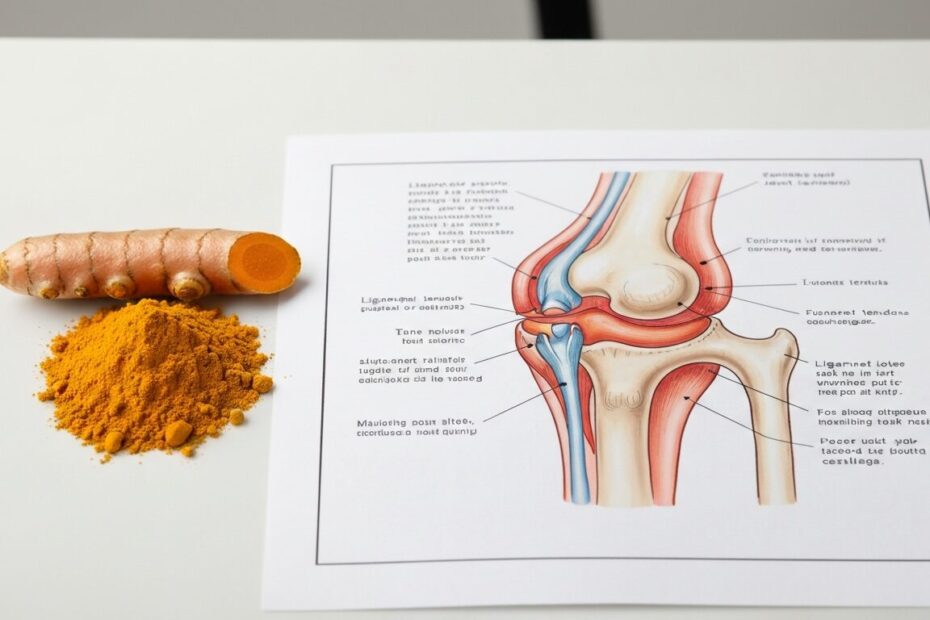
In my view, adding Turmeric to your daily routine supports better mobility for stiff joints.#Turmeric #JointHealth
Quick Video Breakdown: This Blog Article
This video clearly explains this blog article.
Even if you don’t have time to read the text, you can quickly grasp the key points through this video. Please check it out!
If you find this video helpful, please follow the YouTube channel “LifeNextDaily,” which delivers daily news.
https://www.youtube.com/@LifeNextDaily
Read this article in your native language (10+ supported) 👉
[Read in your language]
Want Research-Backed Relief? Add This Ingredient To Ease Joint Pain
⚠️ DISCLAIMER: This article is for informational purposes only and does not constitute medical advice. Always consult a healthcare professional.
John: 👋 Hello, Health Hackers! Ever feel like your knees are staging a rebellion after a simple jog or even climbing stairs? You’re not alone. Joint pain, especially in the knees, affects millions worldwide, turning everyday activities into epic quests of endurance. But what if I told you there’s a golden spice—yes, turmeric—that research suggests might just be the hero we’ve been waiting for? Not some magical elixir from a fairy tale, but backed by actual science. Today, we’re diving into how adding this ingredient could offer research-backed relief, all while keeping things witty, educational, and super responsible. No hype, just the facts with a side of humor.
Lila: Haha, John, you make it sound like turmeric is the Gandalf of spices—”You shall not pass… pain!” But seriously, folks, why does this matter now? In a world where we’re all pushing our bodies harder—whether it’s marathon training, desk jockeying, or just aging gracefully—joint issues are skyrocketing. According to the World Health Organization, musculoskeletal conditions like osteoarthritis affect over 1.7 billion people globally. And with rising healthcare costs and a growing interest in natural alternatives, topics like this are buzzing. Research from a 2020 study published in the Annals of Internal Medicine showed turmeric’s active compound, curcumin, outperforming placebos for knee pain relief. It’s not a cure-all, but it’s a fascinating option worth exploring responsibly.
John: Spot on, Lila. This isn’t about ditching your doctor for a spice rack raid; it’s about understanding evidence-based options in our wellness toolkit. Let’s break it down step by step, from the problem to practical applications, with some laughs along the way.
The Problem (The “Why”)
Lila: Okay, let’s talk about why joint pain is such a buzzkill. Imagine your knees as overworked shock absorbers on a bumpy road trip. Over time, the cartilage—that cushy padding between bones—starts wearing down, leading to inflammation, stiffness, and that dreaded “creak” when you stand up. This is often osteoarthritis, where the body’s natural repair mechanisms can’t keep up with the damage.
John: Exactly. In the “old way,” people relied on over-the-counter painkillers like ibuprofen, which provide temporary relief but come with risks like stomach issues or long-term dependency. Or worse, ignoring it until surgery becomes the only option. It’s like trying to fix a leaky roof with duct tape—works for a bit, but doesn’t address the storm brewing. Biologically, inflammation is the culprit: your immune system goes into overdrive, releasing cytokines that erode joint tissue. It’s a vicious cycle, expensive (think doctor visits and meds), and risky if unmanaged.
Lila: Analogy time! Picture your joints as a rusty hinge on an old door. Without oil (anti-inflammatory help), it squeaks louder and might even jam. The old way? Hammer it harder or ignore it. No wonder so many end up frustrated and limited in daily life.
The Science Behind It
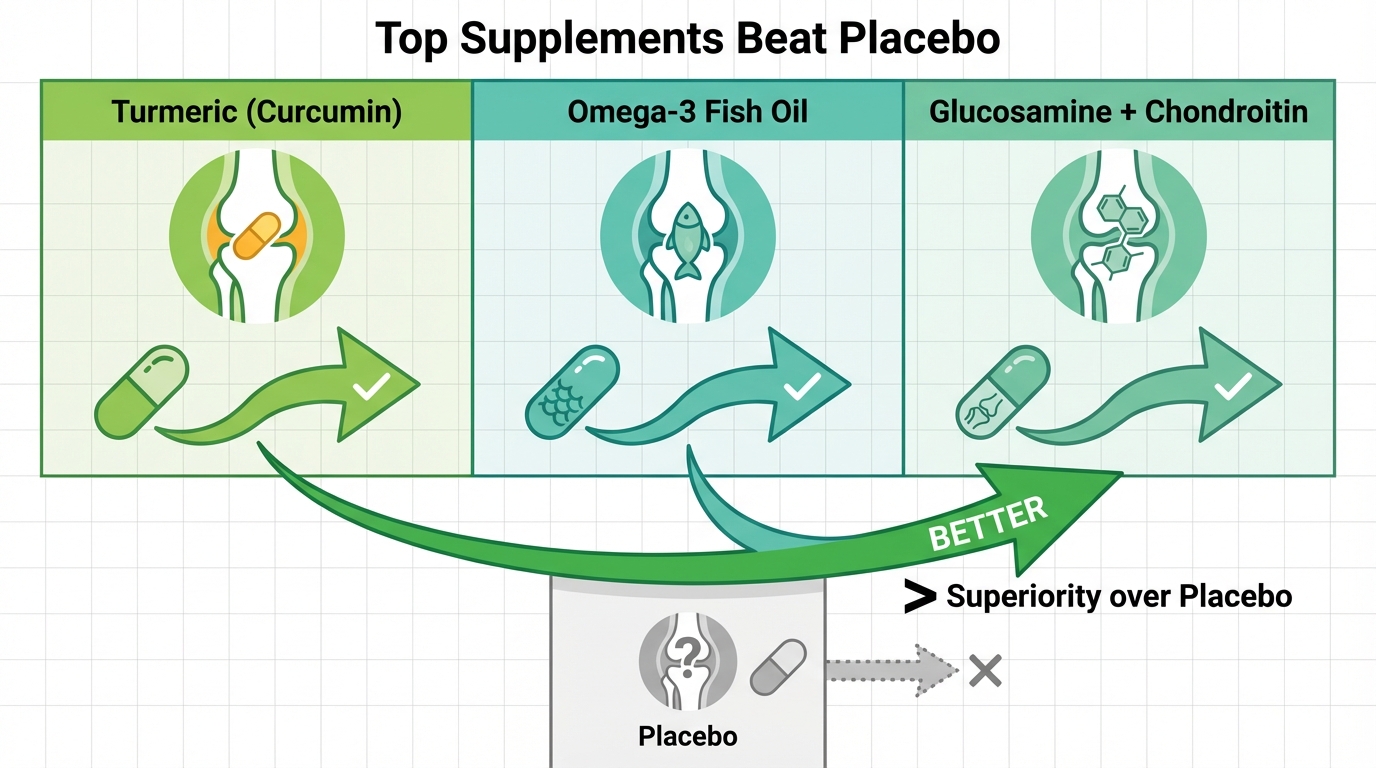
John: Under the hood, turmeric’s star player is curcumin, a polyphenol with potent anti-inflammatory properties. Research suggests it inhibits enzymes like COX-2, which fuel inflammation, much like how NSAIDs do but potentially with fewer side effects. A randomized trial found participants with knee osteoarthritis who took curcumin supplements experienced significant pain reduction compared to placebos—think up to 50% improvement in pain scores after 12 weeks.
Lila: Break it down for us beginners, John. Step 1: Inflammation hits your joints, causing swelling and pain. Step 2: Curcumin enters the scene, blocking inflammatory pathways like NF-kB, which is basically the “on” switch for pain signals. Step 3: Over time, this could lead to better mobility without masking symptoms—it’s more like addressing the root cause gently.
John: To compare, let’s look at the old vs. new approaches.
| Aspect | Old Way (e.g., Placebos or Basic Painkillers) | New Way (Turmeric/Curcumin Supplementation) |
|---|---|---|
| Mechanism | Temporary symptom masking without addressing inflammation root causes. | Inhibits inflammatory enzymes and pathways for potential long-term relief. |
| Effectiveness | Placebo effect or short-term pain reduction; studies show limited sustained benefits. | Research indicates better pain scores and function in trials vs. placebos. |
| Risks | GI issues, dependency; no anti-inflammatory action. | Generally safe but consider interactions; bioavailability issues unless enhanced. |
| Cost/Accessibility | Affordable but ongoing; requires frequent use. | Natural spice; supplements vary in price, widely available. |
Lila: Whoa, that table makes it crystal clear. But remember, folks, bioavailability is key—curcumin isn’t well-absorbed alone, so research suggests pairing it with black pepper (piperine) to boost uptake by up to 2000%.
Practical Use Cases & Application
John: So, how does this spice up your daily life? Let’s get concrete. First, for active folks: If you’re a runner dealing with knee twinges, research suggests incorporating turmeric into your post-workout routine might help manage inflammation, potentially letting you train more consistently. One perspective is adding it to smoothies or teas—think of it as fueling your body’s repair crew.
Lila: Example two: Office workers with sedentary lifestyles. Sitting all day can stiffen joints, but studies show anti-inflammatory diets including turmeric could support better mobility. Imagine swapping your afternoon coffee for a golden latte—witty and wellness-packed!
John: Third, for older adults: As we age, joint wear accelerates. A study in BMC Complementary Medicine found curcumin helped with walking distance in osteoarthritis patients. It could change decision-making around activities, like gardening without as much dread.
Lila: And fourth, in holistic wellness: Pairing it with exercise and diet. Research suggests it’s not standalone—combine with low-impact activities for amplified effects. This shifts daily life from pain management to proactive health.
John: Always balanced: Consider risks like interactions with blood thinners. It’s about informed choices, not miracles.
Educational Action Plan (How to Start)
Lila: Ready to dip your toes in? Here’s a step-by-step guide, keeping it educational and safe.
John: Level 1 (Learn): Start by reading reputable sources. Check out the original study on PubMed or articles from mindbodygreen.com. Watch TED Talks on inflammation to grasp basics—aim for 15 minutes a day to build knowledge without overwhelm.
Lila: Level 2 (Try Safely): Once informed, experiment small-scale. For instance, add a teaspoon of turmeric to your meals (like curries) and note any changes in a journal. Research suggests starting low to monitor tolerance. If considering supplements, look for those with enhanced bioavailability, but consult pros first. Focus on safe habits, like combining with a balanced diet—think test environments for your body.
John: Emphasize: This is learning, not leaping. Track progress objectively, and stop if anything feels off.
Conclusion & Future Outlook
Lila: Wrapping up, turmeric offers a promising, research-backed angle on joint pain relief, with rewards like reduced inflammation outweighing minimal risks for many. Effort is low—easy to incorporate—but gains vary.
John: Uncertainty remains; more long-term studies are needed. Watch for advancements in bioavailability tech or new trials. Remember, health is personal— DYOR and consult experts for the best path.

👨💻 Author: SnowJon (Web3 & AI Practitioner / Investor)
A researcher who leverages knowledge gained from the University of Tokyo Blockchain Innovation Program to share practical insights on Web3 and AI technologies.
His motto is to translate complex technologies into forms that anyone can evaluate and use responsibly, fusing academic knowledge with practical experience.
*AI may assist drafting and structuring, but final verification and responsibility remain with the human author.
References
- Want Research-Backed Relief? Add This Ingredient To Ease Joint Pain
- Curcumin: A Review of Its Effects on Human Health (Foods Journal)
- Effects of Curcumin on Knee Osteoarthritis: A Randomized Trial (Annals of Internal Medicine)
- Musculoskeletal Health (World Health Organization)
- Curcumin for Osteoarthritis: A Systematic Review (BMC Complementary Medicine)