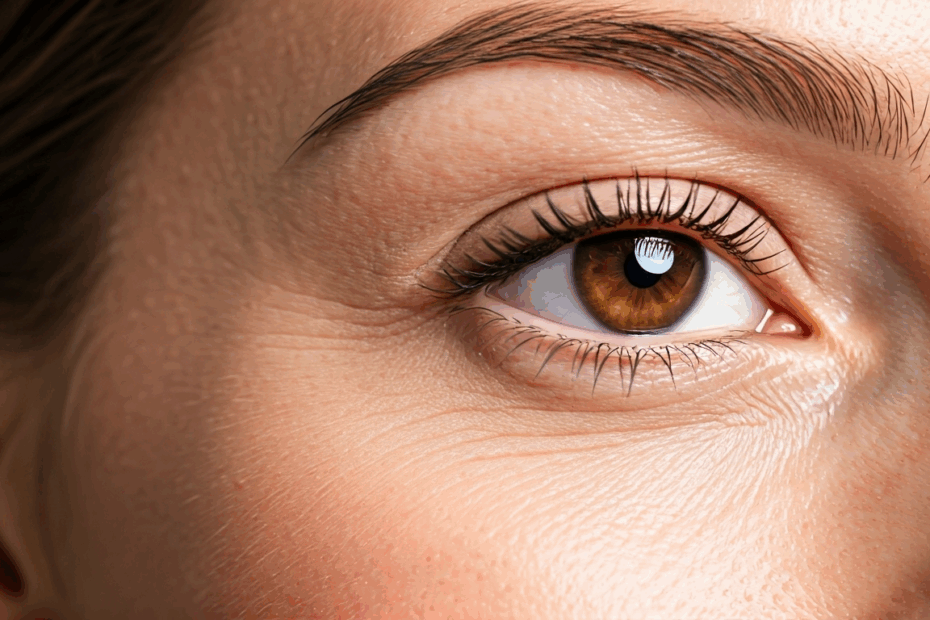
What Your Under-Eye Wrinkles Are Telling You (And How To Smooth Them)
John: Hi everyone, I’m John, a professional lifestyle blogger for LifeNextDaily, where I dive into topics like wellness, health, and self-care with practical, fact-based advice. Today, we’re exploring what under-eye wrinkles might mean and how to address them smoothly.
Lila: Hey there, I’m Lila, just your average reader who’s noticed those pesky lines under my eyes popping up more lately. John, can you explain what causes under-eye wrinkles and share some straightforward ways to reduce them?
John: Absolutely, Lila—under-eye wrinkles are a common sign of skin aging that many of us notice as we hit our 30s or beyond, often due to factors like sun exposure and daily habits. Understanding them matters because they can reflect overall skin health, and with the right approaches, you can minimize their appearance without drastic measures. Plus, as we look at trends from 2025, new treatments and products are making it easier to keep that area looking fresh.
The Basics: What Are Under-Eye Wrinkles?
Lila: Okay, starting simple—what exactly are under-eye wrinkles? I’ve heard terms like crow’s feet or fine lines, but I’m not sure how they differ.
John: Great question, Lila. Under-eye wrinkles are those thin lines or creases that form beneath the eyes, often starting as fine lines and deepening over time due to skin losing elasticity. They’re different from crow’s feet, which are the lines at the outer corners of the eyes from smiling or squinting, but both are part of natural aging.
John: According to sources like Medical News Today from 2020-04-29, these wrinkles are normal and harmless, but they can be influenced by how we care for our skin daily. Think of them as your skin’s way of hinting at accumulated wear and tear—nothing alarming, but a nudge to pay attention.
Common Causes: Why Do They Appear?
Lila: So, what’s really causing these wrinkles? Is it just getting older, or are there other culprits?
John: Aging is a big factor, Lila, as our skin produces less collagen and elastin after around age 25, leading to thinner, more wrinkle-prone skin under the eyes. But UV exposure from the sun accelerates this, breaking down collagen faster—studies show that consistent sun damage can make wrinkles appear up to 10 years earlier.
John: Other causes include dehydration, which makes lines more noticeable, and genetics, where some people are predisposed to earlier wrinkling. Lifestyle habits like smoking or poor sleep also play a role, as noted in Healthline’s article from 2021-12-10, which highlights how repeated facial expressions and lack of moisture contribute over time.
Lila: Dehydration? Does that mean not drinking enough water, or something else?
John: Exactly—dehydration can mean both not hydrating your body internally and not moisturizing your skin externally. When skin cells lack water, they shrivel, emphasizing wrinkles (kind of like a prune, but let’s not dwell on that image).
Current Trends in Treatments: What’s New in 2025?
Lila: With all that in mind, what are the best ways to smooth them out now? I’ve seen ads for creams and lasers—any updates for 2025?
John: Treatments have evolved, Lila, blending at-home remedies with professional options. For starters, topical creams with retinol or hyaluronic acid are popular; a 2024-10-29 Byrdie article recommends them for stimulating collagen without irritation when used gently.
John: In 2025, laser treatments are gaining traction for their precision. A post on Southlake OBGYN from 2025-06-23 explains how lasers like fractional CO2 remove damaged layers and boost collagen production, with many seeing results in 3-6 sessions. Fillers, such as hyaluronic acid injections, offer quick plumping, as detailed in a 2025-07-14 piece from Prasad Cosmetic Surgery.
Lila: Lasers sound intense—what about simpler stuff I can do at home?
John: Home options are effective too. Eye creams with caffeine reduce puffiness, and consistent sunscreen use prevents further damage—Elle’s 2025 review of top eye creams highlights ones like Alastin’s for hydration and wrinkle reduction.
Practical Steps: Daily Habits to Reduce Wrinkles
Lila: I love practical advice—can you give me a list of do’s and don’ts for everyday life?
John: Sure thing, Lila. Building good habits can make a real difference over time, and they’re easy to incorporate. Remember, consistency is key, and results vary based on your skin type and age.
John: Here’s a quick list of tips:
- Apply a broad-spectrum SPF 30+ sunscreen daily, even indoors, to shield against UV rays—reapply every two hours when outside.
- Use a gentle eye cream with ingredients like peptides or vitamin C twice a day to hydrate and support collagen.
- Stay hydrated by drinking at least 8 glasses of water daily and using a humidifier in dry environments.
- Avoid rubbing your eyes, as this can break down delicate skin—pat gently instead.
- Get 7-9 hours of sleep nightly to allow skin repair, and consider silk pillowcases to reduce friction.
- Incorporate antioxidant-rich foods like berries and greens into your diet for internal skin support.
John: On the don’t side: Skip smoking, limit alcohol, and avoid excessive screen time without breaks, as blue light might contribute to aging, though evidence is still emerging.
Myths vs. Facts: Clearing Up Misconceptions
Lila: I’ve heard myths like “eye creams are a scam” or “Vaseline fixes everything”—what’s fact and what’s fiction?
John: Good call-out, Lila. Myth: Vaseline alone erases wrinkles. Fact: As a 2025-09-09 X post from skincare experts notes, it can lock in moisture over an eye cream for a plumping effect, but it doesn’t repair damage—use it sparingly to avoid milia (those tiny bumps).
John: Another myth: Wrinkles mean you’re unhealthy. Fact: They’re mostly genetic and age-related, per Johns Hopkins Medicine’s 2025-09-04 article on under-eye bags, which often accompany wrinkles but don’t affect health. However, sudden changes could signal allergies or fatigue, so monitor that.
Lila: Milia? What’s that?
John: Milia are small, white cysts from trapped keratin under the skin—often from heavy creams clogging pores (a reminder to choose non-comedogenic products).
Looking Ahead: Future Insights and Safety Notes
Lila: Any predictions for wrinkle treatments in the coming years? And should I see a doctor first?
John: Based on 2025 trends, we’re seeing more personalized options like AI-guided skincare routines and advanced peptides in creams, but evidence is still developing—Southlake OBGYN’s 2025-08-07 post discusses how genetics and tech might tailor treatments better. Findings are mixed on long-term efficacy, so stay tuned to reputable sources.
John: As for safety: Discuss any changes in treatment or medication with a qualified clinician, especially if considering lasers or fillers, to avoid risks like irritation or allergic reactions. It’s always better to consult a dermatologist for personalized advice.
Lila: Thanks, John—this has been super helpful and not overwhelming at all!
John: You’re welcome, Lila—remember, self-care is about feeling good in your skin, wrinkles and all. If readers have more questions, drop them in the comments!
This article was created using publicly available, verified sources. References:
- https://www.medicalnewstoday.com/articles/under-eye-wrinkles
- https://www.healthline.com/health/lines-under-eyes
- https://www.byrdie.com/retinol-for-under-eye-wrinkles-4693418
- https://www.hopkinsmedicine.org/health/treatment-tests-and-therapies/how-to-get-rid-of-bags-under-your-eyes
- https://www.elle.com/beauty/g65923027/best-eye-creams-for-mature-skin
- https://southlakeobgyn.net/2025/08/07/under-eye-wrinkles-treatment
- https://prasadcosmeticsurgery.com/under-eye-wrinkles-fillers
- https://southlakeobgyn.net/2025/06/23/under-eye-wrinkle-laser-treatment