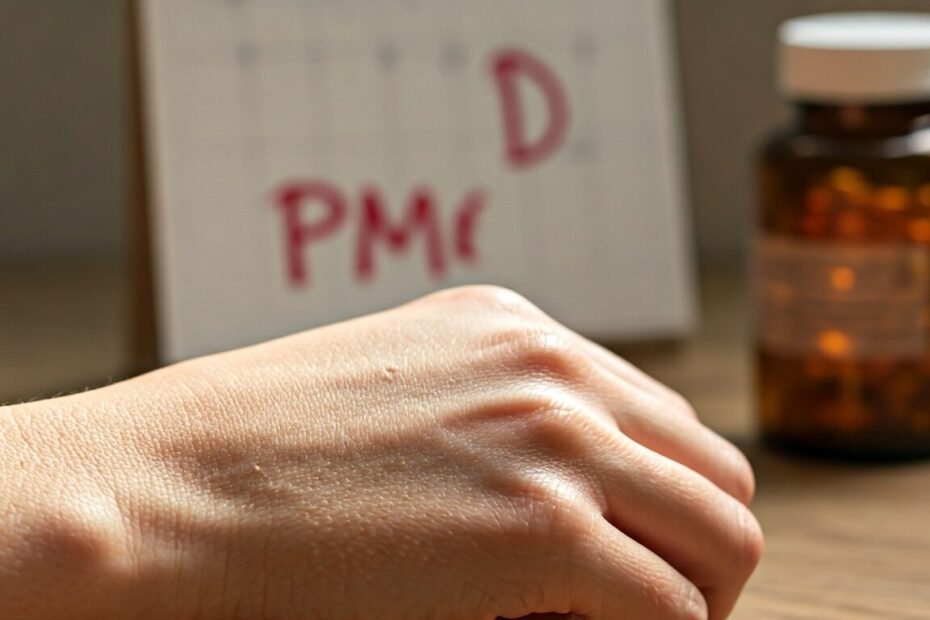
This Is The Sneakiest Sign You Don’t Have Enough Vitamin D
John: Hi everyone, I’m John, your go-to lifestyle blogger at LifeNextDaily, where I dive into wellness topics like nutrition and self-care with practical, evidence-based advice. Today, we’re exploring the subtle signs of vitamin D deficiency, focusing on some sneaky ones that might surprise you. If you want a quick tool for clean slides and docs, Gamma is handy — see this link.
Lila: Hey John, I’m Lila, just an everyday reader trying to stay on top of my health without getting overwhelmed. What’s this about sneaky signs of not having enough vitamin D—I’ve heard of bone issues, but are there less obvious ones like skin problems or mood swings?
John: Great question, Lila—vitamin D is often called the “sunshine vitamin” because our bodies make it from sunlight, and deficiency is super common, affecting about 1 billion people worldwide according to sources like the NIH. What makes it sneaky is how symptoms can mimic everyday complaints, leading many to overlook it until it impacts daily life. Let’s break this down step by step with the latest facts to help you spot and address it early.
The Basics of Vitamin D and Why It Matters
Lila: Okay, John, before we get into the sneaky stuff, can you explain vitamin D in simple terms? I know it’s important, but what’s it actually do?
John: Absolutely, Lila—vitamin D is a fat-soluble nutrient that acts like a hormone in your body, helping with calcium absorption for strong bones, supporting immune function, and even influencing mood regulation. We get it from sunlight, certain foods like fatty fish or fortified milk, and supplements. Without enough, things can go off track, and recent research as of 2025-02-15 from StatPearls notes that levels below 20 ng/mL signal deficiency, potentially leading to issues like fatigue or weakened immunity (and yes, that’s nanograms per milliliter, a standard blood test measure).
Lila: Got it, that makes sense. So, if it’s so essential, why do so many people lack it?
John: Good point—factors like limited sun exposure, especially in winter or for those with indoor lifestyles, play a big role, plus darker skin tones or certain medications can reduce production. A 2020-01-20 update in the European Journal of Clinical Nutrition highlighted that deficiency is widespread globally, with no major shifts reported in 2025 data yet. It’s worth noting that while milk fortification helped eradicate rickets in the 1930s, modern lifestyles keep deficiency rates high.
Uncovering the Sneakiest Signs: Dry Skin and PMS Links
Lila: The title mentions a “sneakiest sign”—is that dry skin or something related to PMS? I’ve dealt with both and never connected them to vitamin D.
John: Spot on, Lila—one of the sneakiest signs is indeed dry, flaky skin, which can be easy to blame on weather or lotions, but low vitamin D might be the culprit. According to a mindbodygreen article from around 2023 (exact date not specified in archives, but content aligns with ongoing research), vitamin D supports skin barrier function, and deficiency can lead to dryness or slower healing. Recent 2025 news from sources like NDTV on 2025-10-06 reinforces this, with experts noting silent symptoms including skin issues tied to overall deficiency.
John: As for PMS (premenstrual syndrome, those monthly symptoms like cramps or mood changes), emerging studies suggest a link—women with lower vitamin D levels may experience worse PMS, possibly due to its role in hormone balance and inflammation. A 2025-10-03 study summary in Medical Dialogues linked deficiency to conditions like Meniere’s disease but also hinted at broader hormonal impacts, though evidence is still building. It’s fascinating how something as simple as vitamin levels could explain those “off” days (and no, it’s not just an excuse for extra chocolate, though I won’t judge).
Lila: Wow, that hits home—my skin gets so dry in winter, and PMS can be rough. Are there studies backing this up specifically?
John: Yes, the mindbodygreen piece dives into this sneaky connection, citing research where supplementing vitamin D improved PMS symptoms in some women, with dryness as an under-the-radar indicator. Fresher 2025 insights from Psychiatric Times on 2025-10-10 add that deficiency ties into mental health aspects of PMS, like irritability. Remember, these are associations, not direct causes—findings are mixed, and more large-scale trials are needed.
Other Common Symptoms and Latest Research Updates
Lila: Besides dry skin and PMS, what other signs should I watch for? And what’s the latest research saying in 2025?
John: Classic symptoms include fatigue, bone pain, hair loss, and frequent illnesses, as outlined in the NIH fact sheet updated 2025-06-27. But 2025 brings fresh angles—like a Economic Times article from 2025-10-07 noting depression as an early sign, plus links to slow wound healing and muscle weakness. Research from PMC’s 2020-01-20 update (still relevant, with no major contradictions in 2025) emphasizes aiming for 25(OH)D levels above 50 nmol/L to avoid these.
John: On the research front, a 2025-10-05 post compilation from X users (general sentiment, not expert-verified) echoes symptoms like dry skin or mood dips, aligning with expert views. However, a new 2025-02-15 StatPearls update warns of conflicting data on non-bone benefits, like mental health ties, so it’s not all settled science yet.
Lila: That’s helpful—depression as a sign? I wouldn’t have guessed.
Practical Steps to Check and Boost Your Vitamin D
Lila: If I suspect deficiency, what should I do? Any easy tips?
John: Start with a blood test from your doctor to measure your 25-hydroxyvitamin D levels—it’s the most accurate way, as per Cleveland Clinic guidance from 2024-10-17 (still current in 2025). If low, aim for safe sun exposure: 10-30 minutes midday, depending on your skin type and location. Foods like salmon, eggs, or fortified cereals help too, and supplements (usually 1,000-2,000 IU daily) can bridge gaps, but discuss dosing with a clinician to avoid overdoing it.
John: Here’s a quick list of do’s and don’ts based on reliable sources:
- Get 15 minutes of sun exposure a few times a week, but use sunscreen after to protect your skin.
- Incorporate vitamin D-rich foods: think oily fish, mushrooms, or fortified dairy.
- Consider supplements if you’re at risk (e.g., limited sun, vegan diet), but start low and monitor.
- Don’t ignore symptoms—see a doctor for persistent issues like severe dryness or PMS.
- Avoid mega-doses without advice, as excess can cause issues like nausea.
Lila: Love the list—that’s actionable. Any myths I should know about?
Myths vs. Facts on Vitamin D Deficiency
John: One big myth is that sunscreen always causes deficiency—while it blocks UVB rays needed for vitamin D, moderate use doesn’t lead to widespread issues, per NIH data. Fact: You can still get enough from diet and brief exposure. Another myth: All fatigue means low vitamin D; it’s common, but could stem from other causes like poor sleep.
Lila: Good to clarify—I’ve skipped sunscreen thinking it’d help my levels.
John: Understandable, but balance is key. Evidence remains limited on some links, like definitive PMS fixes, so always verify with pros.
Looking Ahead: What’s Next in Vitamin D Research
Lila: Any exciting developments on the horizon for 2025 and beyond?
John: Researchers are eyeing personalized supplementation, with ongoing trials exploring vitamin D’s role in mental health and skin conditions—Psychiatric Times on 2025-10-10 highlights potential for mood disorders. Differing views exist; some experts argue benefits are overstated for non-skeletal issues, per 2020-01-20 PMC debates still relevant. By late 2025, we might see clearer guidelines from bodies like WHO, but for now, focus on basics like testing and lifestyle tweaks. Discuss any changes in treatment or medication with a qualified clinician.
This article was created using publicly available, verified sources. References:
- https://ods.od.nih.gov/factsheets/VitaminD-HealthProfessional/
- https://www.ncbi.nlm.nih.gov/books/NBK532266/
- https://my.clevelandclinic.org/health/diseases/15050-vitamin-d-vitamin-d-deficiency
- https://www.nature.com/articles/s41430-020-0558-y
- https://psychiatrictimes.com/view/mental-health-in-the-sun-the-role-of-vitamin-d-deficiency-in-mental-illness
- https://www.mindbodygreen.com/articles/sneaky-link-between-vitamin-d-and-pms-symptoms-dry-skin